
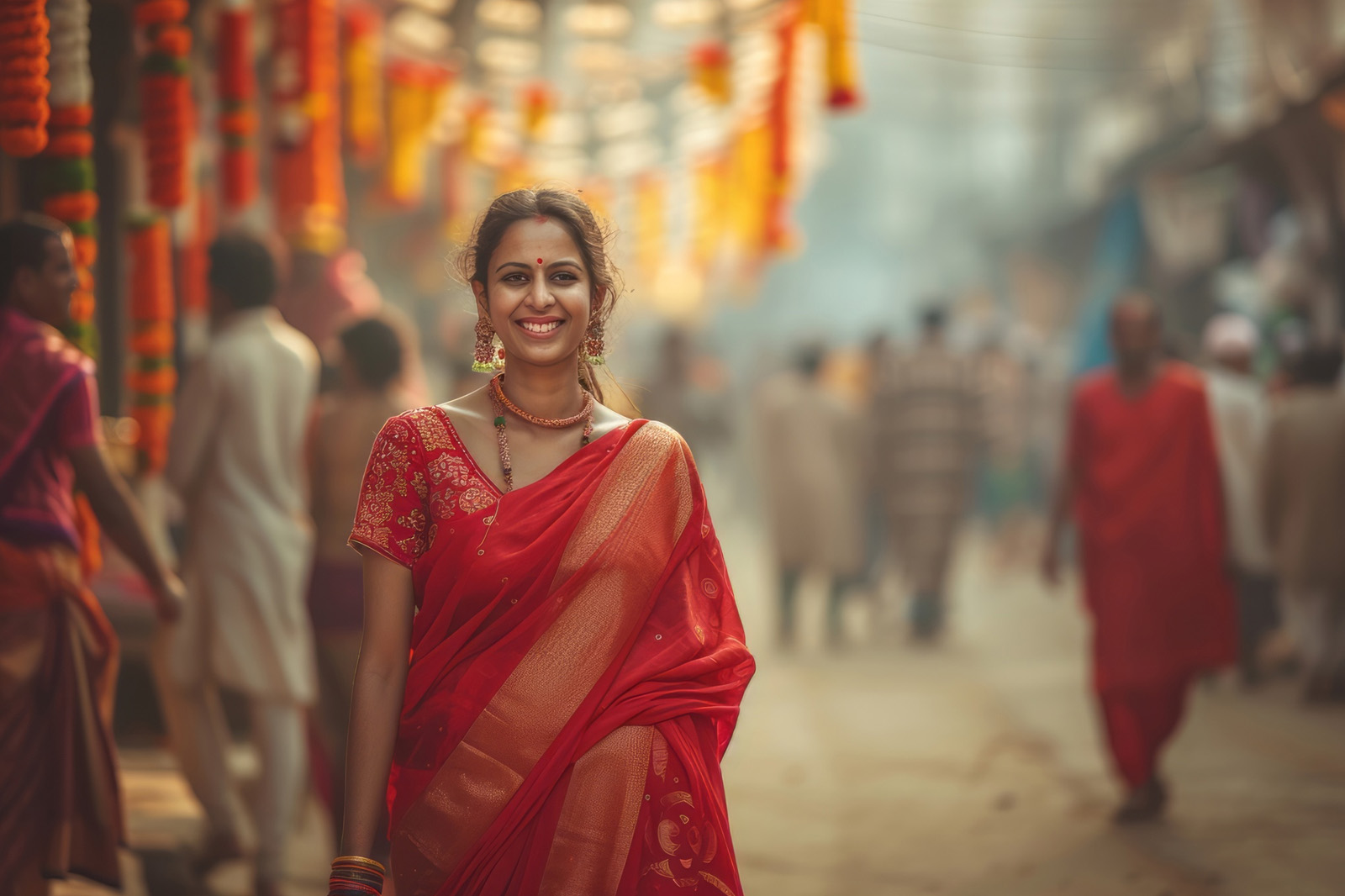
Banaras Silk Saree: A Complete Guide to the Timeless Weave of Varanasi
There are cities you visit, and then Banaras, the city that quietly finds its place in your soul. Temple bells ring as dawn breaks here; as dusk falls, countless diyas glow; and each narrow lane holds its own tale as old as time. But, in the midst of its ancient chants and eternal rituals, one more tradition lives its own story, one silken thread at a time.
Wear of Banaras Silk Saree isn’t just about wearing the silk. It is passed on to our children; it is honored; it is remembered. These sari-weaving looms that have been passed down from generation to generation, and the fingers that work them, are patient and rhythmic, and so are the people in the city, where art is not divorced from everyday life. The shimmer of the zari brings the light to life, and each motif tells tales of kings, poets, festivals, and family celebrations.
You’ll see a living tradition when you stroll through the silk markets of Varanasi. The sound of wood creaking, colorful piles of silk inside ancient workshops, and artisans meticulously animating detailed patterns offer more than a mere shopping experience. In this place, each braid is a dialogue with the past and the present.
The Story Behind the Banaras Silk Saree
The tradition of Banarasi silk weaving goes back many centuries. Skilled artisans made beautiful textiles with Indian fabrics, paisleys, vines, and rich brocades inspired by the Mughal art of artistry.
Soon, these sarees became a prerogative of queens, nobles, and brides-to-be.
Today, Banaras Silk Saree is still a symbol of India’s heritage in textiles and is one of the most famous handloom products in India.
What Makes a Banaras Silk Saree Special?
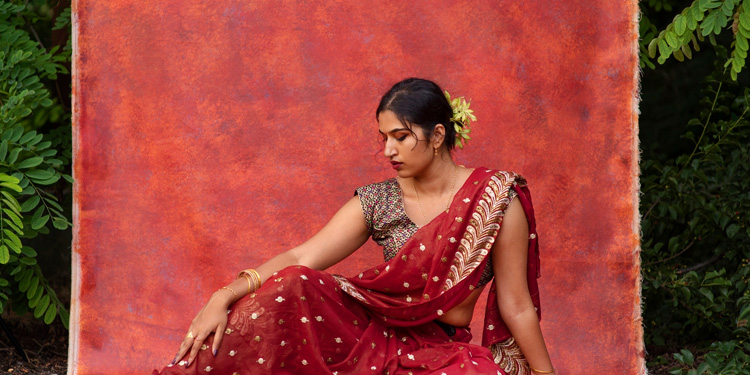
Every authentic Banarasi saree is created through hours, and often weeks, of meticulous craftsmanship.
Unlike machine-made fabrics, handwoven Banarasi silk showcases remarkable attention to detail. Skilled artisans carefully weave zari threads into silk to create intricate patterns that shimmer beautifully under natural light.
Some of the defining features include:
- Rich silk fabric
- Gold and silver zari work
- Traditional floral and Mughal-inspired motifs
- Intricate borders and pallu designs
- Exceptional durability
Many families preserve Banarasi sarees for decades, passing them down as treasured heirlooms.
Different Types of Banarasi Silk Sarees
Not every Banarasi saree looks the same. Depending on the weaving technique and design, you’ll come across several beautiful variations.
Katan Silk
Katan Silk is considered the most traditional Banarasi weave. Made from pure silk threads, it has a smooth texture and elegant finish that makes it popular for weddings and festive occasions.
Organza (Kora Silk)
Lightweight and graceful, Organza Banarasi sarees feature delicate zari work and floral motifs, making them ideal for daytime celebrations.
Georgette Banarasi Sarees
Combining traditional craftsmanship with modern comfort, these sarees are easy to drape and suitable for both festive and formal events.
Shattir Silk
Shattir silk is often used for contemporary designs while preserving the essence of traditional Banarasi weaving.
Each variety reflects the remarkable versatility of Banaras’ weaving community.
The Artisans Behind Every Weave
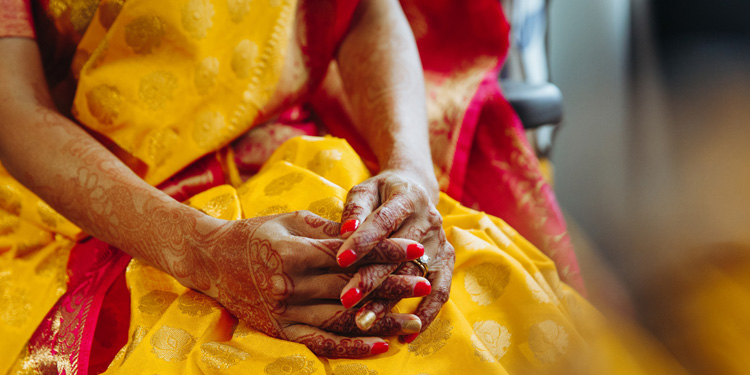
One of the most fascinating aspects of Banarasi silk is the people who create it.
Whole families have had generations of experience perfecting the art of weaving. In many localities of Varanasi, weaving is not just a profession, but a way of life.
Alongside contemporary techniques, traditional wooden looms are still in operation, permitting artisans to uphold time-honored skills and adjust to evolving market preferences.
Every saree is a product of hours, if not days, of patience, precision, and artistry.
Where to Buy Banarasi Sarees in Varanasi
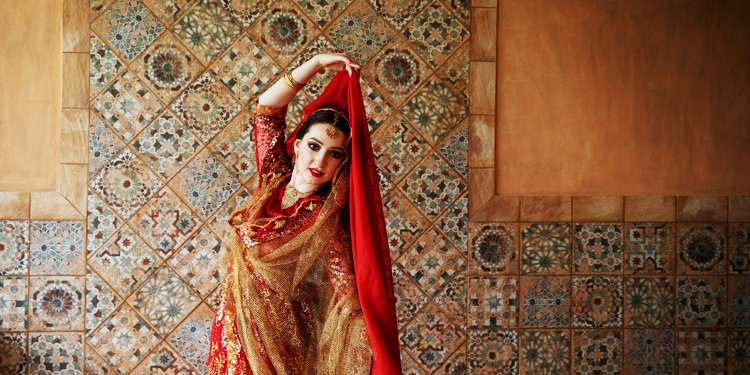
Shopping for a Banaras Silk Saree is an experience in itself.
Several markets across the city offer authentic collections directly from local weavers and trusted retailers.
Chowk Market
One of the oldest shopping destinations in the city, Chowk Market is known for its extensive collection of traditional Banarasi silk.
Vishwanath Gali
Located close to the famous Kashi Vishwanath Temple, this bustling lane offers numerous shops selling handcrafted sarees, textiles, and souvenirs.
Thatheri Bazaar
Popular among locals, this market is an excellent place to discover both classic and contemporary Banarasi designs.
Madanpura
Madanpura, which is regarded as the hub of Banarasi weaving, provides home to several artisan families and Banarasi weaving workshops. For those who want to learn how to weave, you may find stores that present handmade collections, straight from the makers.
From Stay Banaras, it’s easy to access many of these markets, offering a great balance of sightseeing and shopping.
How to Identify an Authentic Banaras Silk Saree
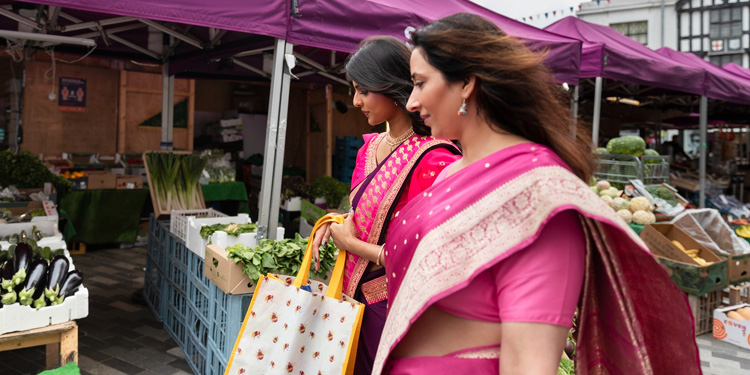
With increasing demand, imitation products have become common. Knowing what to look for helps ensure you’re buying genuine Banarasi silk.
Some useful tips include:
- Check for the Silk Mark certification.
- Examine the reverse side of the saree for intricate handwoven patterns.
- Feel the texture of the silk, which should be smooth and luxurious.
- Observe the zari work for fine detailing rather than printed designs.
- Purchase from reputed stores or trusted local weavers.
Authentic Banarasi silk reflects craftsmanship that simply cannot be replicated by mass production.
Beyond Sarees: Banarasi Silk Today
The beauty of Banarasi silk now extends beyond traditional sarees.
Designers have introduced the fabric into:
- Dupattas
- Stoles
- Lehengas
- Jackets
- Kurtas
- Home furnishings
- Contemporary fashion accessories
This evolution has helped preserve the weaving tradition while introducing Banarasi craftsmanship to younger generations.
Best Time to Shop in Varanasi
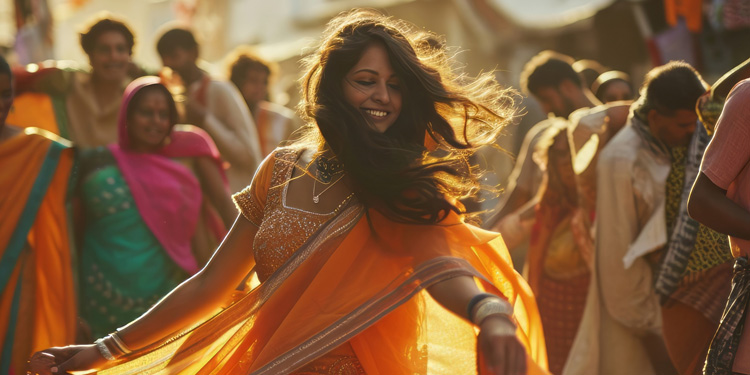
While Banarasi silk can be bought at any time of the year, some seasons are better for shopping.
The four months of October through March are good for enjoying the local markets in mild weather.
New collections and unique handcrafted designs are frequently featured during festival seasons, like Diwali and the wedding season.
Shopping during the weekdays can also be a more relaxed and peaceful experience than shopping on weekends.
Best Time to Shop in Varanasi
A Banarasi saree deserves proper care to preserve its beauty for years.
Some simple maintenance tips include:
- Store it in a muslin cloth.
- Avoid prolonged exposure to direct sunlight.
- Dry clean instead of regular washing.
- Refold the saree occasionally to prevent permanent creases.
- Keep it away from moisture.
With proper care, a Banarasi saree can remain beautiful for generations.
More Than Shopping: Experience the Culture
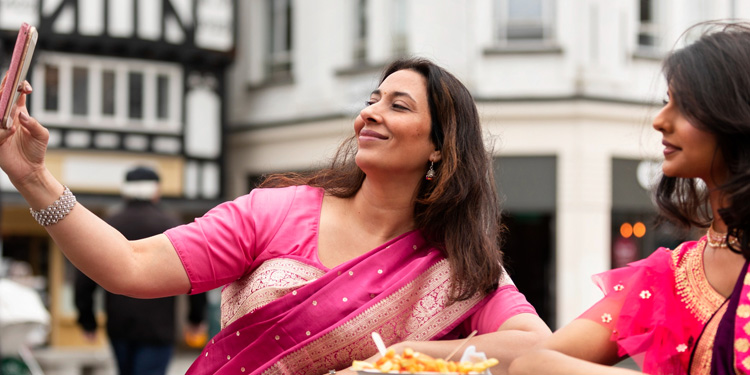
Buying a Banaras Silk Saree is not just about fashion. It is about connecting with the city’s artistic heritage.
Many visitors enjoy interacting with local artisans, watching handlooms in action, and understanding the remarkable effort behind every weave.
These moments create memories that are often as valuable as the saree itself.
After spending the day exploring Varanasi’s historic markets, returning to the peaceful ambience of Stay Banaras offers the perfect balance. Its boutique hospitality, warm service, and convenient location make it an ideal place to relax before setting out to discover more of the city’s cultural treasures.
Frequently Asked Questions
Why are Banaras Silk Sarees so famous?
Banaras Silk Sarees are renowned for their intricate handwoven craftsmanship, luxurious silk fabric, and detailed zari work. They are considered among India’s finest traditional textiles.
Where can I buy authentic Banarasi silk in Varanasi?
Chowk Market, Vishwanath Gali, Thatheri Bazaar, and Madanpura are among the best places to purchase authentic Banarasi silk directly from trusted retailers and artisans.
How can I identify a genuine Banarasi saree?
Look for the Silk Mark certification, detailed handwoven patterns, high-quality silk, and fine zari work. Buying from reputed stores also ensures authenticity.
How long does it take to weave a Banarasi saree?
Depending on the complexity of the design, weaving a single Banarasi saree can take anywhere from a few days to several weeks or even months.
Is Banarasi silk only used for sarees?
No. Today, Banarasi silk is also used to create lehengas, dupattas, kurtas, jackets, scarves, and even home décor products.
Final Thoughts
A visit to Varanasi is incomplete without experiencing its legendary weaving tradition. Every Banaras Silk Saree carries centuries of artistry, culture, and craftsmanship, making it much more than a beautiful piece of clothing. Whether you’re shopping for a wedding, a special occasion, or a timeless keepsake, investing in authentic Banarasi silk allows you to take home a part of the city’s living heritage.
As you explore Varanasi’s bustling silk markets, artisan workshops, and historic streets, choosing the right place to stay enhances the entire experience. Stay Banaras offers travellers a boutique retreat that blends modern comfort with the warmth of local hospitality, making it the perfect base for discovering the timeless charm, craftsmanship, and culture of Banaras.