
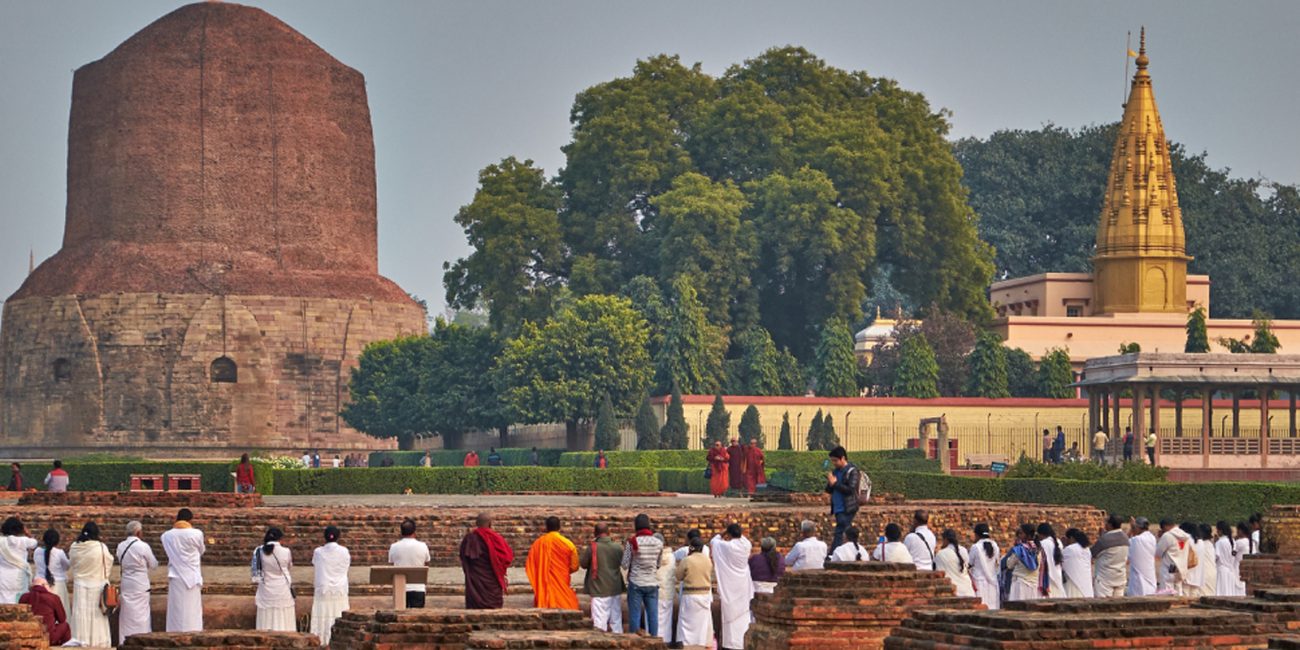
Sarnath is one of the most important historical and spiritual destinations near Varanasi, Uttar Pradesh. Located around 13 kilometres northeast of Varanasi, this peaceful town is closely connected with the early history of Buddhism. It was here that Gautama Buddha delivered his first sermon after attaining enlightenment at Bodh Gaya. This event is traditionally regarded as the beginning of his teaching journey and the formation of the Buddhist Sangha.
For travellers visiting Varanasi, Sarnath offers a very different experience from the busy ghats, temples and markets of the old city. The atmosphere is quieter. Ancient ruins sit among green spaces, large stupas rise above the archaeological landscape, and Buddhist monasteries from different countries reflect the global reach of Buddhism.
There is another important reason to visit now. In July 2026, the Ancient Buddhist Site of Sarnath was inscribed on the UNESCO World Heritage List, becoming India’s 45th World Heritage property. This recognition highlights Sarnath’s outstanding cultural and historical importance and makes the destination even more significant for travellers interested in India’s heritage.
Whether you are interested in Buddhist history, Indian archaeology, architecture, photography, spirituality or simply looking for a peaceful day trip from Varanasi, Sarnath has plenty to offer.
This guide explores the major Sarnath tourist places, their historical importance, what you can expect during a visit, and how to plan your trip comfortably.
Why Is Sarnath So Important?
The importance of Sarnath begins with the life of Gautama Buddha.
According to Buddhist tradition, after attaining enlightenment at Bodh Gaya, Buddha travelled to Sarnath, which was then known by names such as Isipatana and Mrigadava. He came here to meet five former companions and delivered his first sermon.
This first teaching is associated with the Dharmachakra Pravartana, often described as the turning of the Wheel of Dharma. Buddha explained key principles of his teaching, including the Middle Way and the path leading away from suffering.
The event gave Sarnath a special place in Buddhist history.
Over centuries, monasteries, stupas, temples and other structures developed around this sacred landscape. Emperor Ashoka later played an important role in establishing Buddhist monuments here, including the famous Ashoka Pillar. The Lion Capital that once stood on this pillar has become one of India’s most recognised national symbols.
Today, Sarnath attracts pilgrims, historians, students, photographers and international tourists from across the world.
Top Sarnath Tourist Places You Should Visit
Sarnath is not just one monument. It is a collection of archaeological remains, temples, museums, gardens and religious institutions.
Here are the places that deserve a place on your itinerary.
1. Dhamek Stupa
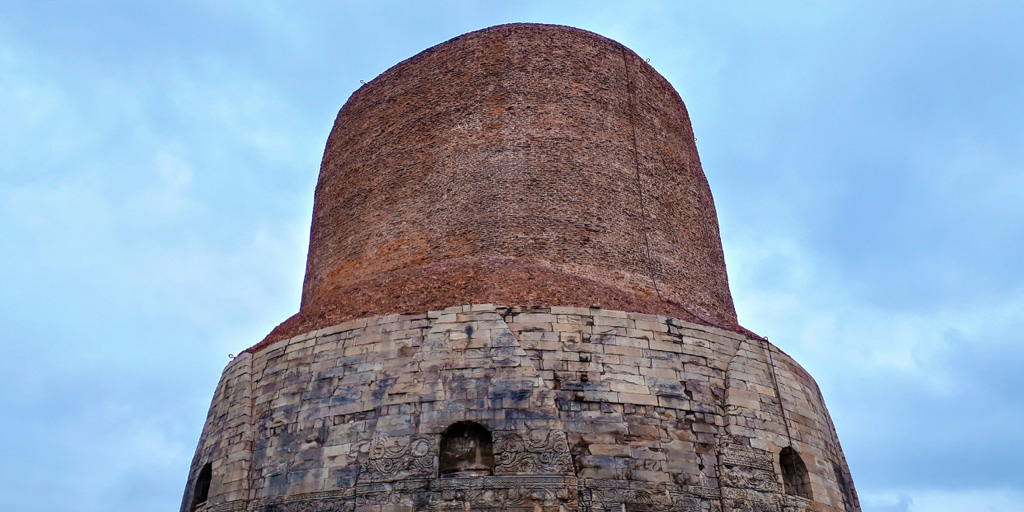
The Dhamek Stupa is the most recognisable monument in Sarnath.
Its huge cylindrical structure dominates the archaeological complex and immediately captures the attention of visitors. The present monument is associated with the Gupta period and stands on the site of an earlier structure connected with Emperor Ashoka. Government tourism sources describe it as approximately 43 metres high and about 28 metres wide at its base.
The lower portion of the stupa is particularly interesting because of its detailed stone decoration. Floral patterns, geometric designs and carved figures demonstrate the artistic skills of the period.
For Buddhist pilgrims, the stupa has a much deeper meaning than its impressive architecture. It marks the sacred landscape associated with Buddha’s first teaching.
What makes Dhamek Stupa special?
- Its enormous cylindrical design
- Gupta-period artistic details
- Connection with Buddha’s first sermon
- Association with the development of Buddhist architecture
- Importance to Buddhist pilgrims from around the world
Take some time to walk around the monument rather than simply photographing it. Looking closely at the stonework reveals details that can easily be missed during a quick visit.
2. Chaukhandi Stupa
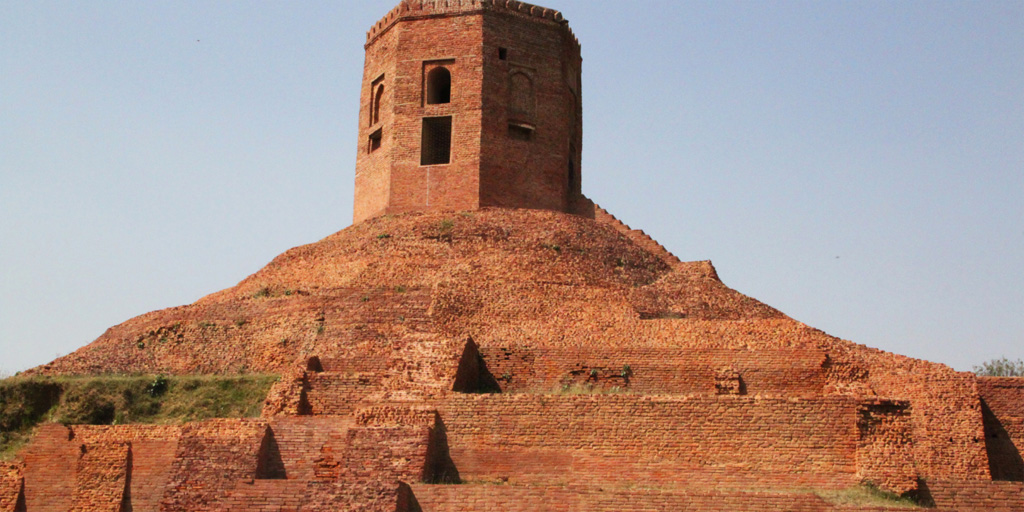
Chaukhandi Stupa is another important monument and is often one of the first historical structures visitors encounter when approaching Sarnath.
The original structure is associated with the Gupta period. It is traditionally connected with the place where Buddha met his five former companions before delivering his first sermon.
What makes this monument especially interesting is its architectural history.
An octagonal tower was added to the top during the Mughal period. According to the Government of Uttar Pradesh, Emperor Akbar added the tower in 1588 to commemorate the visit of his father, Humayun.
This means the monument represents more than Buddhist history. It also reflects later layers of Indian history.
Why visit Chaukhandi Stupa?
The monument is valuable for visitors who enjoy:
- Ancient architecture
- Buddhist history
- Mughal-era additions
- Photography
- Archaeological sites
- Historical storytelling
Its elevated position also gives photographers an interesting perspective of the surrounding area.
3. Sarnath Archaeological Museum
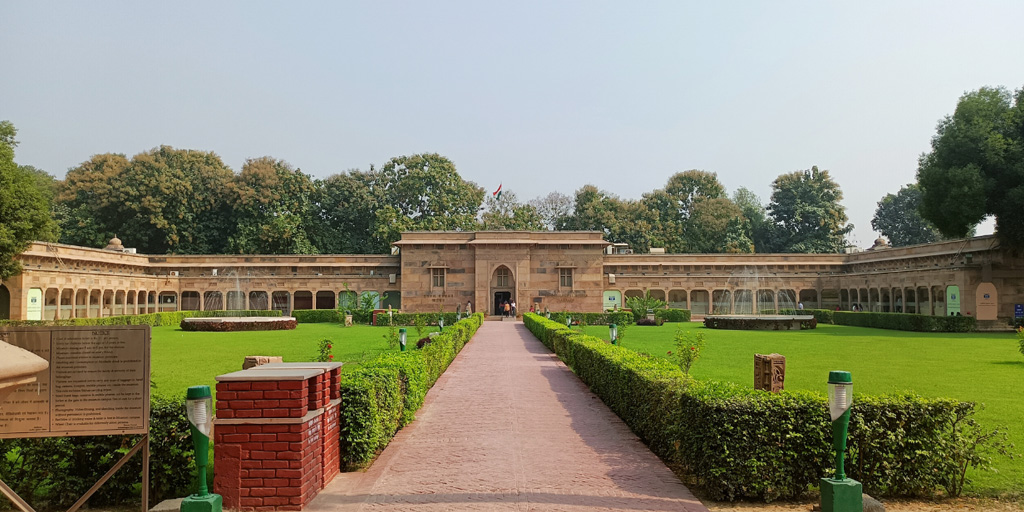
If you want to understand the history of Sarnath beyond the large monuments, the Archaeological Museum should be high on your list.
The museum houses sculptures, architectural fragments and archaeological discoveries recovered from the Sarnath area.
Its most famous object is the Lion Capital of Ashoka, the original sculpture that inspired India’s national emblem. The museum also contains Buddhist sculptures and other artefacts covering a long historical period.
The museum is particularly useful because many of the archaeological objects found around Sarnath are too delicate or important to remain outdoors. The museum allows visitors to see these pieces in a protected environment.
The official tourism information currently lists the museum as open from 10:00 AM to 5:00 PM and closed on Fridays. Visitors should still verify timings before travelling because government-site schedules can change.
What should you look for?
Pay special attention to:
- The Lion Capital of Ashoka
- Buddhist sculptures
- Images of Buddha
- Ancient stone carvings
- Architectural fragments
- Objects recovered during archaeological excavations
A visit to the museum can make the outdoor ruins much easier to understand.
4. Ashoka Pillar and Its Ruins
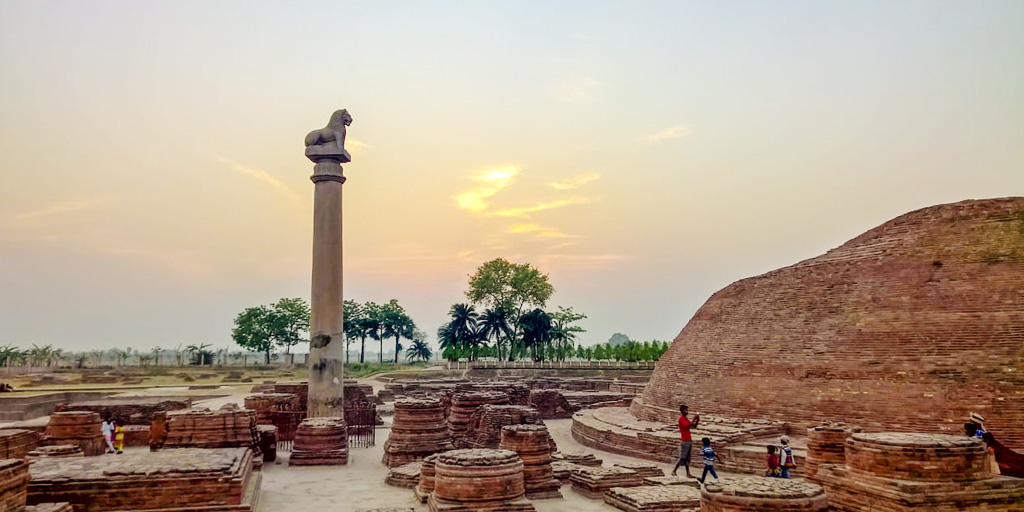
The Ashoka Pillar is one of the most important archaeological remains in Sarnath.
Emperor Ashoka, one of ancient India’s most influential rulers, supported Buddhism and commissioned monuments at important Buddhist sites.
The original pillar at Sarnath was topped by the famous Lion Capital. The surviving fragments are located within the archaeological area, while the Lion Capital itself is preserved inside the Sarnath Museum.
The four lions facing different directions have become a powerful symbol of India’s historical identity. The Lion Capital was adopted as the national emblem of India.
Seeing the actual archaeological remains and then viewing the original capital inside the museum provides a stronger understanding of the monument’s importance.
5. Dharmarajika Stupa
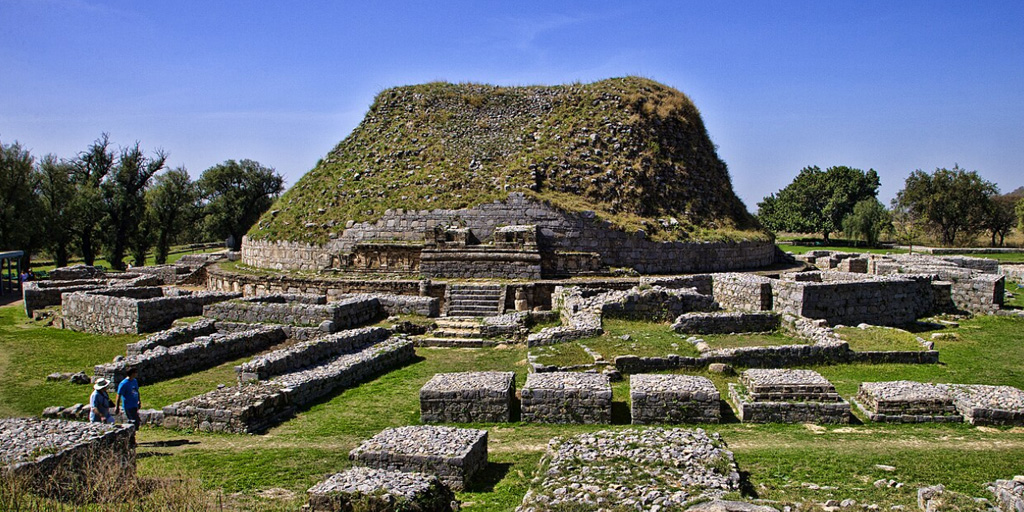
The Dharmarajika Stupa is another important archaeological feature within the Sarnath complex.
Today, visitors mainly see its remains rather than a complete monument. Even so, the site is important for understanding the scale of Buddhist construction that once existed in ancient Sarnath.
Government sources identify Dharmarajika Stupa as a significant structure near Dhamek Stupa and associate it with Buddhist relic traditions.
The remains may not appear as dramatic as the Dhamek Stupa, but they are valuable for travellers who want to understand the wider archaeological story.
Take time to read the information boards and look at the layout of the ruins. They help reveal how large and developed the ancient monastic settlement once was.
6. Mulagandha Kuti Vihara
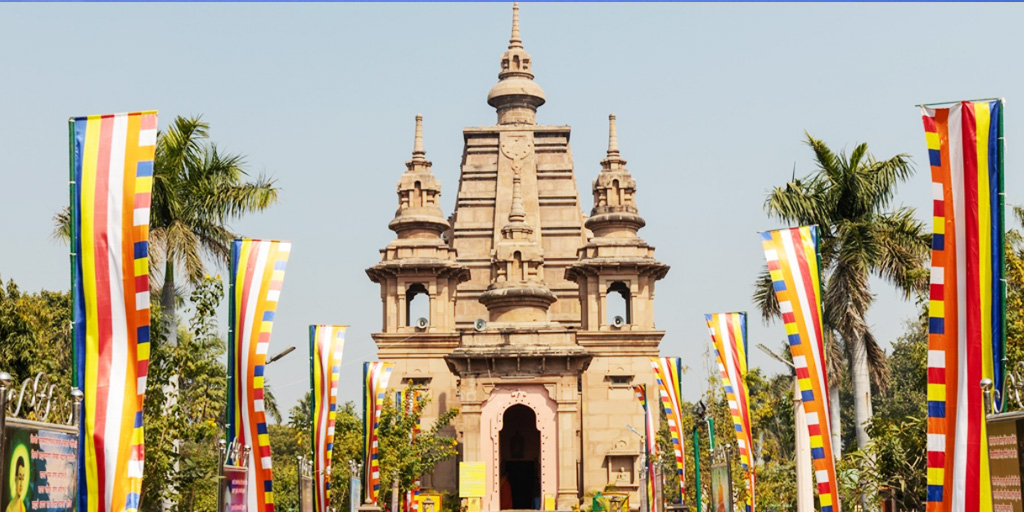
Mulagandha Kuti Vihara is one of the best-known Buddhist temples in Sarnath.
Unlike the ancient archaeological ruins, this is a modern temple built in the 20th century. It was constructed by the Maha Bodhi Society and opened in 1931.
The temple is particularly famous for its interior artwork.
The walls feature frescoes depicting episodes from the life of Buddha. These paintings were created by Japanese artist Kosetsu Nosu and add a strong visual dimension to the temple.
A Bodhi Tree also grows nearby. It is associated with a cutting from the original Bodh Gaya tree, giving the site additional significance for Buddhist visitors.
Why visit?
Mulagandha Kuti Vihara is ideal for visitors who want to experience the living spiritual side of Sarnath rather than only its archaeological history.
The quiet surroundings make it a good place to pause after exploring the ruins.
7. Deer Park
The ancient name of Sarnath is closely linked with deer.
Sarnath has been identified in Buddhist traditions with Mrigadava, or Deer Park. The name reflects the traditional association of the area with deer and Buddha’s teachings.
The modern Deer Park provides a calmer environment compared with the busy parts of Varanasi. The wider historical landscape is associated with Buddha’s first sermon.
The Kashi official portal describes the Deer Park and archaeological ruins as part of the historical landscape of Sarnath and notes the presence of a modern-day deer park.
For families and photographers, this can be a pleasant addition to a historical tour.
8. International Buddhist Temples and Monasteries
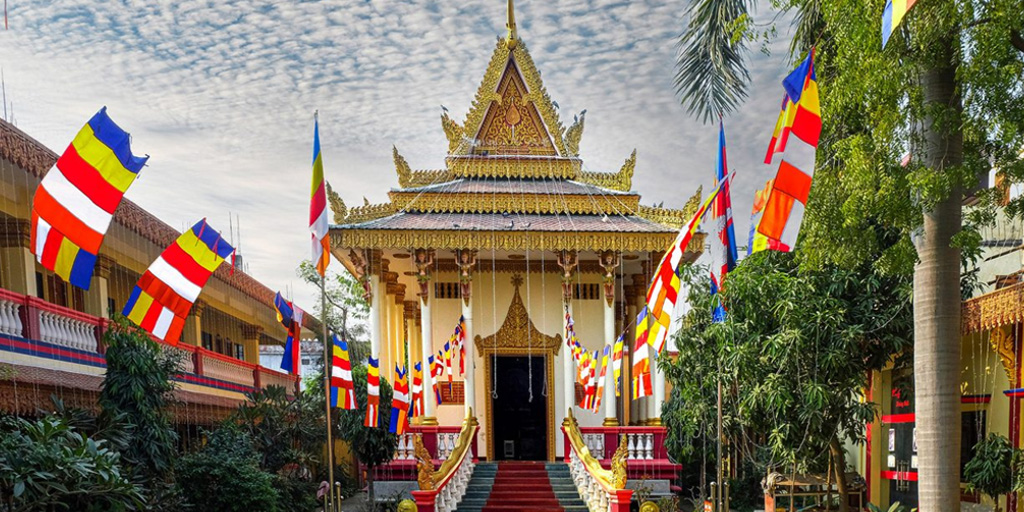
One of the most interesting things about Sarnath is that its Buddhist identity is not limited to ancient Indian history.
Different Buddhist countries and traditions have established temples and monasteries in the area.
Visitors can find religious and architectural influences connected with places such as:
- Thailand
- Tibet
- Japan
- China
- Sri Lanka
- Other Buddhist communities
These temples provide a fascinating opportunity to see how the same broad Buddhist tradition has developed different architectural and artistic styles across Asia.
A visitor may notice differences in:
- Roof design
- Buddha statues
- Prayer traditions
- Wall paintings
- Decorative patterns
- Garden layouts
- Religious symbols
Exploring these monasteries makes Sarnath feel like an international Buddhist destination rather than simply an archaeological site.
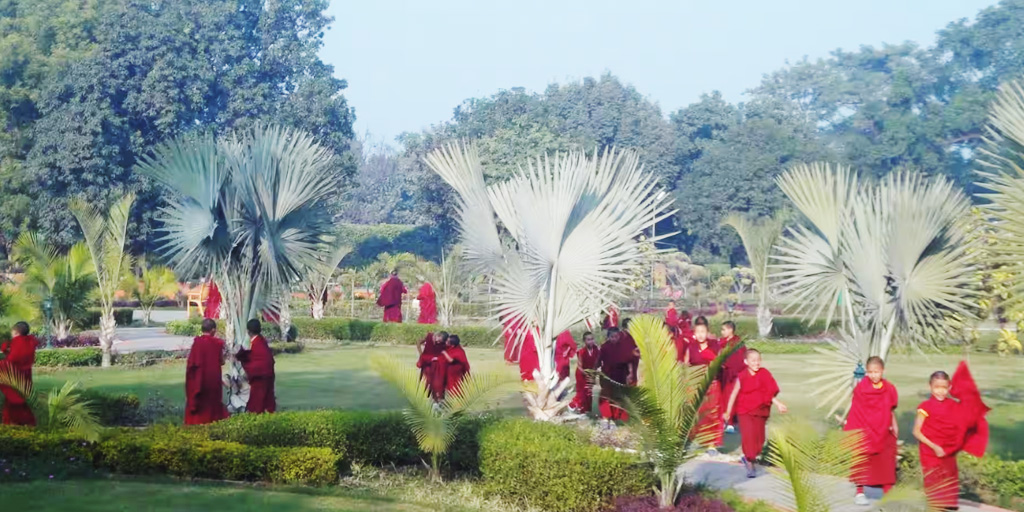
9. Garden of Spiritual Wisdom
The Garden of Spiritual Wisdom offers a quieter experience for travellers who want some time away from monuments.
The garden combines landscaped spaces with displays related to Buddhist thought and Indian spirituality. It also includes sculptures, information panels and plants associated with traditional knowledge.
It can be especially enjoyable after visiting the archaeological complex because the atmosphere is more relaxed.
Rather than rushing through every attraction, consider spending a little time here simply walking and observing.
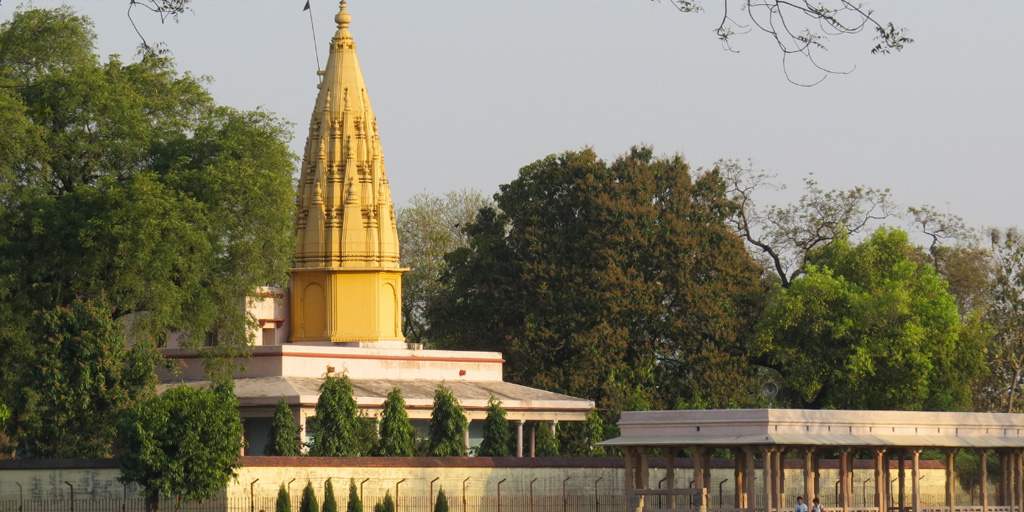
10. Jain Temple
Sarnath is important not only to Buddhists.
The area also has significance for Jainism and is associated with Shreyansnath, the 11th Tirthankara. A Jain temple dedicated to him is among the religious sites visitors can explore.
This adds another layer to Sarnath’s religious history.
Visitors interested in Indian religions can gain a broader perspective by understanding how different traditions connect with the region.
Sarnath in 2026: A New Chapter in Its History
One of the biggest recent developments is Sarnath’s recognition by UNESCO.
On 25 July 2026, the Ministry of Culture announced that the Ancient Buddhist Site of Sarnath had been inscribed on the UNESCO World Heritage List during the 48th session of the World Heritage Committee in Busan, South Korea. It became India’s 45th property on the World Heritage List.
This is significant for several reasons.
First, it gives international recognition to the archaeological and cultural value of Sarnath.
Second, it may increase global interest in the destination.
Third, it reinforces the importance of protecting the site’s monuments, archaeological remains and cultural landscape for future generations.
For travellers planning a visit in 2026 and beyond, this makes Sarnath especially relevant.
Best Time to Visit Sarnath
Sarnath can be visited throughout the year, but weather has a major impact on comfort.
October to March
This is generally the most comfortable period for sightseeing.
Temperatures are more pleasant, making it easier to walk between monuments and spend time outdoors.
Morning hours can be particularly enjoyable.
April to June
Summer can become very hot in Varanasi and Sarnath.
If you visit during this period, try to start early. Carry water, wear comfortable clothing and protect yourself from direct sunlight.
July to September
The monsoon can bring rain and humidity.
The landscape may look greener during this period, but sudden rain can make outdoor sightseeing less convenient.
Best time of day
For many visitors, early morning is the best choice.
The light is softer, temperatures are lower and the archaeological area can feel calmer.
Late afternoons can also be attractive for photography.
How Much Time Do You Need?
A half-day visit can cover the major attractions, but a full day allows you to experience Sarnath without rushing.
Half-day itinerary
If you have limited time, consider:
- Chaukhandi Stupa
- Archaeological Museum
- Dhamek Stupa
- Ashoka Pillar remains
- Dharmarajika Stupa
- Mulagandha Kuti Vihara
Full-day itinerary
For a more relaxed experience:
Morning
- Chaukhandi Stupa
- Archaeological Museum
- Archaeological ruins
- Dhamek Stupa
Afternoon
- Dharmarajika Stupa
- Ashoka Pillar area
- Mulagandha Kuti Vihara
- International Buddhist monasteries
- Deer Park
Late afternoon
- Garden of Spiritual Wisdom
- Relaxed exploration
- Return to Varanasi
This approach gives you enough time to appreciate both the historical and spiritual sides of Sarnath.
How to Reach Sarnath from Varanasi
Sarnath is close enough to Varanasi to make it an easy excursion.
By road
Taxis, auto-rickshaws and local transport options connect Varanasi with Sarnath.
A private cab can be convenient if you want to visit several locations in one day.
By train
Sarnath has railway connectivity, while Varanasi Junction is another major railway option for travellers arriving from other cities.
By air
The nearest major airport is Lal Bahadur Shastri International Airport in Varanasi.
From the airport, travellers can continue by road toward Sarnath or their accommodation in Varanasi.
Where to Stay When Visiting Sarnath
Many travellers choose to stay in Varanasi because it provides easy access to both the old city and Sarnath.
If your itinerary focuses heavily on Sarnath, staying closer to the area can save travel time and allow you to begin sightseeing early.
For visitors looking for accommodation in Varanasi, Stay Banaras can be considered when planning a comfortable base for exploring the city’s cultural attractions and nearby destinations.
A good accommodation choice should ideally provide:
- Easy transportation access
- Clean rooms
- Reliable service
- Comfortable sleeping arrangements
- Helpful local information
- Convenient access to restaurants and transport
Staying somewhere comfortable becomes especially useful if you plan to combine Sarnath with Varanasi’s ghats and temples.
What to See Near Sarnath
A trip to Sarnath can easily be combined with other Varanasi attractions.
Kashi Vishwanath Temple
One of the most famous temples in Varanasi, Kashi Vishwanath is dedicated to Lord Shiva and is an important pilgrimage destination.
Ganga Ghats
The ghats along the Ganga provide a completely different atmosphere from Sarnath.
Dashashwamedh Ghat is famous for the evening Ganga Aarti, while Assi Ghat offers another popular riverside experience.
Manikarnika Ghat
Manikarnika Ghat is one of Varanasi’s most significant cremation grounds and plays an important role in the city’s religious traditions.
Banaras Hindu University
BHU is one of India’s major educational institutions and has its own cultural and historical importance.
Ramnagar Fort
Located across the Ganga, Ramnagar Fort provides another perspective on the history of the Varanasi region.
Combining Sarnath with selected Varanasi attractions can create a balanced itinerary covering religion, architecture, history and local culture.
Photography Tips for Sarnath
Sarnath offers plenty of opportunities for photography.
The Dhamek Stupa is the obvious landmark, but do not limit yourself to wide photographs.
Try capturing:
- Architectural details
- Stone carvings
- Ancient brickwork
- Trees around the monuments
- Buddhist prayer flags
- Temple architecture
- Museum details where photography is permitted
- Morning light
- Visitors engaged in quiet reflection
A wide-angle lens can work well for the larger monuments.
For close architectural details, a standard or telephoto lens can provide interesting compositions.
Always follow photography restrictions inside museums and religious buildings.
Things to Keep in Mind During Your Visit
Sarnath is both an archaeological site and a religious destination.
A few simple habits can make your visit better.
Dress respectfully
Choose comfortable clothing that is suitable for visiting temples and religious sites.
Wear comfortable footwear
There is walking involved, especially when exploring the archaeological complex.
Carry drinking water
This is particularly important during warmer months.
Avoid rushing
Sarnath is best experienced slowly. Give yourself time to read signs and understand the history.
Respect religious practices
Some visitors come to Sarnath for pilgrimage and meditation. Keep noise levels low around temples and prayer areas.
Check current timings
Opening hours can differ between attractions. The Archaeological Museum, for example, has a separate schedule and is currently listed as closed on Fridays by official tourism sources.
Why Sarnath Is More Than a Tourist Attraction
It is easy to look at Sarnath simply as another sightseeing destination near Varanasi.
That would miss its deeper importance.
Sarnath represents a major turning point in the history of Buddhism. The teachings delivered here eventually travelled far beyond India and influenced societies across Asia.
The monuments are therefore not isolated buildings. They are part of a much larger cultural story.
The Dhamek Stupa represents the memory of Buddha’s first teaching.
The Ashoka Pillar reflects the role of the Mauryan Empire in supporting Buddhism.
The museum protects archaeological evidence from centuries of history.
The modern monasteries demonstrate the continuing international importance of Sarnath.
The temples and gardens show that the site is not simply an archaeological ruin. It remains a living spiritual destination.
This combination of ancient history and living culture is what makes the town so compelling.
Frequently Asked Questions About Sarnath
Is Sarnath worth visiting from Varanasi?
Yes. Its proximity to Varanasi makes it one of the easiest cultural day trips from the city. The destination offers archaeological ruins, Buddhist temples, museums and peaceful surroundings.
How far is Sarnath from Varanasi?
Sarnath is approximately 13 kilometres northeast of Varanasi, according to the Government of Uttar Pradesh.
What is Sarnath famous for?
Sarnath is famous because Gautama Buddha delivered his first sermon here after attaining enlightenment.
What is the most famous monument in Sarnath?
The Dhamek Stupa is generally considered the most prominent monument in the archaeological complex.
Where is the original Lion Capital of Ashoka?
The original Lion Capital is preserved at the Sarnath Archaeological Museum. It inspired India’s national emblem.
Is Sarnath a UNESCO World Heritage Site?
Yes. In July 2026, the Ancient Buddhist Site of Sarnath was inscribed on the UNESCO World Heritage List, making it India’s 45th World Heritage property.
How long should I spend in Sarnath?
At least four to five hours is useful for the major attractions. A full day is better if you want to explore the monasteries and religious sites without rushing.
Can Sarnath be visited with children?
Yes. Families can explore the archaeological monuments, museum and Deer Park. Children may especially enjoy learning about the Lion Capital, Buddha’s life and ancient Indian architecture.
A Suggested One-Day Sarnath Itinerary
If you are travelling from Varanasi and have an entire day, the following plan works well.
7:00 AM – Leave Varanasi
Starting early helps you avoid the strongest heat and gives you more time for sightseeing.
7:30 AM – Chaukhandi Stupa
Begin with this important historical monument before moving into the main archaeological area.
8:15 AM – Archaeological Complex
Explore the ruins, Dhamek Stupa, Dharmarajika Stupa and Ashoka Pillar remains.
10:30 AM – Sarnath Archaeological Museum
Spend time viewing the sculptures and the original Lion Capital.
Remember that museum hours and weekly closures should be confirmed before your visit.
12:00 PM – Lunch
Take a break and enjoy a meal before continuing.
1:30 PM – Mulagandha Kuti Vihara
Explore the temple, artwork and surrounding area.
2:30 PM – International Buddhist Temples
Visit selected monasteries representing different Buddhist traditions.
4:00 PM – Deer Park and Garden
Spend some quiet time outdoors.
5:00 PM onwards – Return to Varanasi
Depending on your interests, you can continue toward the ghats for an evening experience.
Final Thoughts
Sarnath is one of those destinations where the value of the journey goes beyond the number of monuments you see.
Its archaeological remains connect visitors with ancient India. Its temples connect the present with living Buddhist traditions. Its museum preserves extraordinary examples of Indian art. Its peaceful environment offers a welcome contrast to the energy of central Varanasi.
The recent UNESCO recognition makes the destination even more significant. The inscription of the Ancient Buddhist Site of Sarnath on the World Heritage List in 2026 recognises its outstanding cultural importance and places renewed attention on the need to preserve its heritage.
For first-time visitors, the best approach is not to treat Sarnath as a quick photo stop. Give yourself several hours. Walk through the archaeological grounds. Look closely at the carvings. Visit the museum. Sit quietly near the temples. Learn the story behind the monuments.
Most importantly, understand that every structure is part of a larger story that stretches across more than two thousand years.
If you are planning a trip to Varanasi, adding Sarnath to your itinerary is an excellent way to experience a quieter, more reflective side of the region. From the towering Dhamek Stupa and ancient Ashokan remains to the international monasteries and modern Buddhist temples, the destination offers a rare combination of history, spirituality, architecture and cultural heritage.
And with its new UNESCO World Heritage status, there has never been a more interesting time to discover Sarnath.
Plan your Varanasi stay, explore the city’s heritage, and keep Sarnath on your must-visit list for an experience that connects ancient history with the living culture of modern India.