
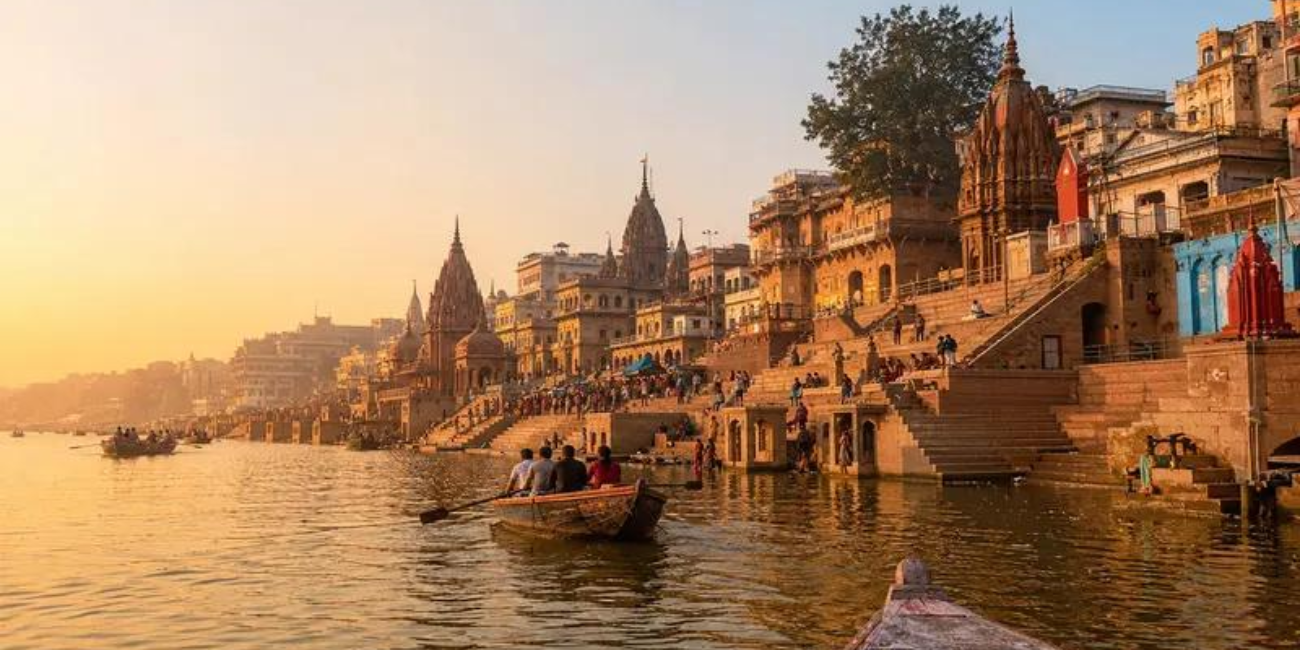
The city of Varanasi remains with you; you could recall the first rays of morning on the Ganga, the sound of the temple bells, the scent of fresh chai in a narrow street, or the sensation of watching the evening aarti from a boat. Because different moods come over the city in each season, the time of your visit can affect your entire experience.
For most travellers October through March is the best time to visit Varanasi since the weather is generally more pleasant for walking, exploring the ghats and taking a boat trip. There is also a misty air in the mornings and a pleasant festive mood in the winter. That said, Varanasi is still worthwhile to visit outside of these months because summer may be suitable for those wanting a more peaceful journey, and the monsoon leads to streets that have been washed by rain and a greener city.
The guide will assist you in selecting the best time for your visit, should you be looking for comfortable sightseeing, a festival experience, peaceful mornings or a trip with fewer crowds.
What is the best season to go to Varanasi?
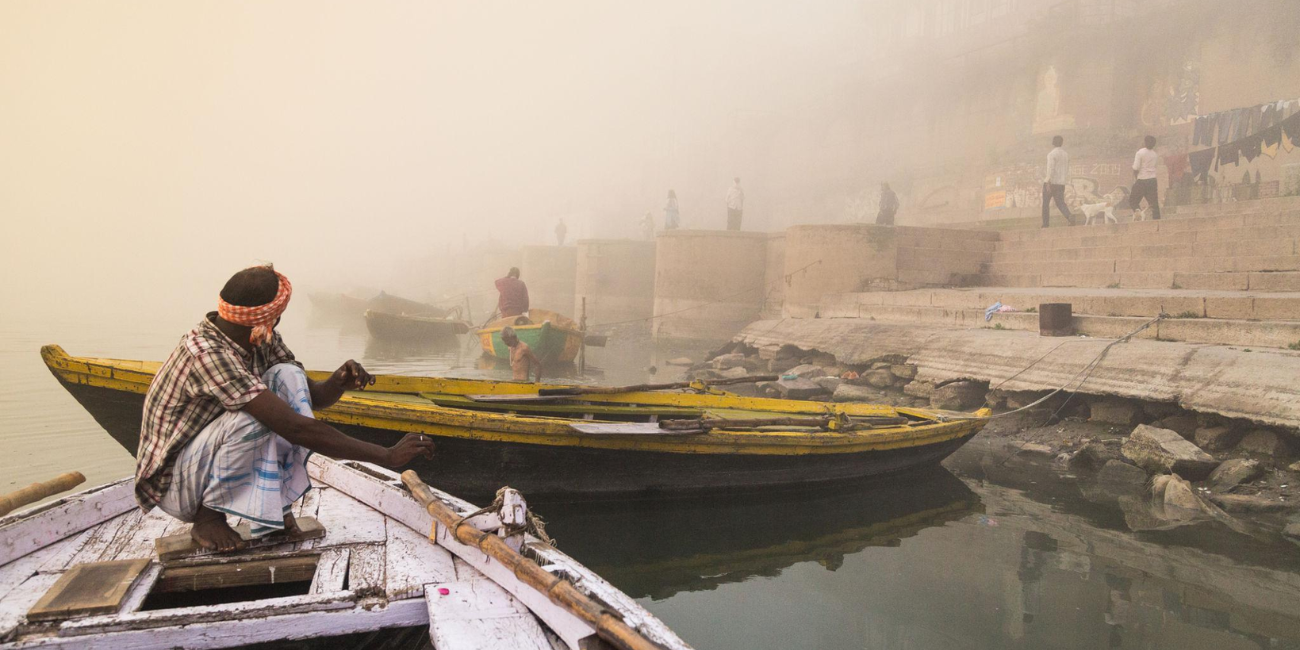
October through March is the best time to visit Varanasi since the weather is usually more favourable for sightseeing; it is ideal for exploring the ghats, visiting the temples, strolling around the old city and making a trip to Sarnath. In the winter mornings fog may cover the Ganga, giving the riverfront a quiet and atmospheric atmosphere. Incredible India
The ideal month depends on what you want from your trip:
In October and November the weather is pleasant and there are festive celebrations.
Travellers who like cool days and are not minded by cold and foggy mornings will find December and January suitable.
In February and March sightseeing is usually pleasant, the weather gradually becoming warmer.
It can be extremely hot from April through June, so it’s best to schedule your activities for the cooler parts of the day.
From July through September there is monsoon rain, which can have an impact on outdoor activities and certain river activities.
For a brief reply to the question of when the best time to visit Varanasi is, October, February or March are good choices since they offer pleasant weather and suitable conditions for sightseeing. However, if you wish to take part in a major festival, it’s important to check the dates before making your booking because the festival dates can vary from year to year.
Varanasi in winter: October to March
Winter is the most popular time to visit, and there’s a good reason for this. The colder weather makes it easier to spend time outside, so you can walk along the riverfront, explore the narrow streets of the old city and visit a number of places in a day without having to face the intense summer heat.
October and November: pleasant weather and festive energy
October is generally when the more pleasant travel season begins, since the summer heat has softened and the monsoon usually starts to withdraw. It’s a nice time for taking an early morning boat trip, for walking along the ghats or for visiting the Kashi Vishwanath Temple.
In November there is a particularly cheerful atmosphere, and in different years people may have the opportunity to take part in Diwali, Dev Deepawali or other festivities occurring at that time. Dev Deepawali takes place on Kartik Purnima, which is fifteen days after Diwali; on that day the ghats are lit with lamps and as a result the city sees a large number of visitors.
The festival may be unforgettable, but it is also one of the busiest times to go there, so it’s important to book your accommodation and travel as far in advance as possible. You can expect the riverfront areas to be crowded, the roads to be busy, and the atmosphere to be lively, although at times it can be overwhelming. If you’d like to have a more peaceful journey, then you should visit a week or two before or after the festival.
December and January: crisp mornings and slow exploration
The coldest months in Varanasi are December and January; although the days can be pleasant the early mornings and evenings might still be quite cold and fog can reduce visibility on the river and at times cause changes to the travel schedules.
You needn’t give up on a sunrise boat trip. It’s enough to dress warmly, check the local conditions and be flexible with the time. Wearing a warm layer, a scarf and comfortable shoes will mean that early trips are much more enjoyable.
Winter also promotes a more leisurely way of looking at the city. Begin your day with a cup of tea, take some time to watch the life along the river, and then go and see the temples and the alleys when the sun is higher. Rather than trying to fit everything in to one busy day, take breaks between your visits.
February and March: comfortable days for sightseeing
February and March are usually some of the easiest months for visitors to see Varanasi. The weather is generally milder than in the middle of winter and daytime excursions can be quite comfortable. It’s a suitable time to visit the ghats, to explore Sarnath or to spend a relaxed afternoon in the city.
Holi also takes place in March, the specific dates, however, varying from year to year. Should you be in Varanasi when the festival is happening, it’s important to check local information and to decide if you would like to take part in the public celebrations or prefer to keep your trip more quiet. Ensure that you are used to the idea of large crowds before selecting a date for the festival.
Varanasi in summer: April to June
In Varanasi the summer can be extremely hot, with temperatures increasing in April and making May and June especially tough for people who are outdoors for long hours. The heat can cause walking around the narrow streets of the old city or waiting in queues to become tiring.
So long as your schedule allows for some flexibility a summer trip can be worthwhile. You should plan your outdoor activities for the early morning or the evening and use the hottest part of the day to rest inside. Make sure to take along some drinking water, wear clothes that are breathable, use sun protection and take breaks in the shade.
The slower pace does have its benefits since you’ll probably have fewer visitors than during the winter festival period and can take your time exploring without having to stick to a crowded itinerary. However, you should be realistic regarding the weather: it’s more suitable for travellers who can modify their plans than for those who hope to walk around all day.
It would be a good idea to stay near the places you wish to visit so that you can go back to your accommodation for a break. Make sure that your room has good cooling, particularly if you’re not used to the summers in North India.
Varanasi during the monsoon: July to September
Because of the monsoon the area receives rain, becomes humid and takes on a different appearance. The streets and the banks of the river may seem more refreshing following a shower, and the countryside surrounding Varanasi turns greener. Those of you who like to watch a city change with the weather will find this season to be rewarding.
Rain also makes it harder to predict what the plans will be. Heavy showers can cause traffic to slow down, and wet or slippery steps can make visits to the ghats more difficult. During the rainy season the water level in the Ganga may go up, so the conditions for river activities could change. It is advisable to follow local advice and ask your boat operator before setting out.
Take a light rain jacket or an umbrella, along with quick-drying clothes and footwear that has a good grip. Leave some extra time between activities and maintain a flexible schedule if the weather changes. The monsoon is suitable for travellers who are not bothered by occasional rain and prefer to explore at a slow pace.
Best time to visit Banaras for festivals
If the kind of Varanasi you would like to see is one that is highly colourful, then the festival season might be suitable for you. Festivals such as Diwali and Dev Deepawali cause the city to be full of lights, rituals and tourists. Since the festival schedule varies from year to year, it is necessary to check the dates before making your booking. Dev Deepawali occurs on Kartik Purnima, which is fifteen days after Diwali.
Planning is needed if you’re travelling to the festival. It’s a good idea to book your lodging as early as possible, to leave extra time for moving around and to find out if there are any local traffic measures in place. The ghats get quite crowded and popular spots may take longer to reach. When you’re travelling with older relatives or small children, you should consider how comfortable they will be in heavy crowds.
You do not have to go to one of the big festivals if you want to experience the city’s spiritual atmosphere, since the daily Ganga aarti, visits to the temples and the morning rituals provide a significant experience all year round.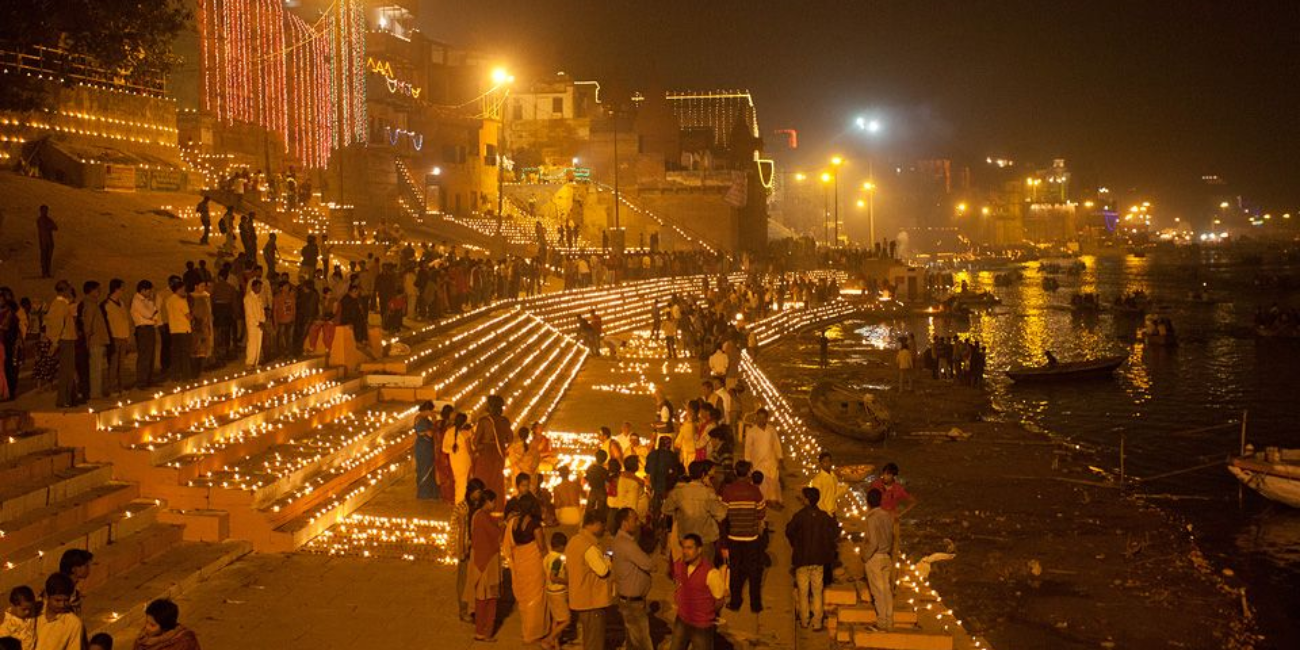
Best time to visit Varanasi for a boat ride
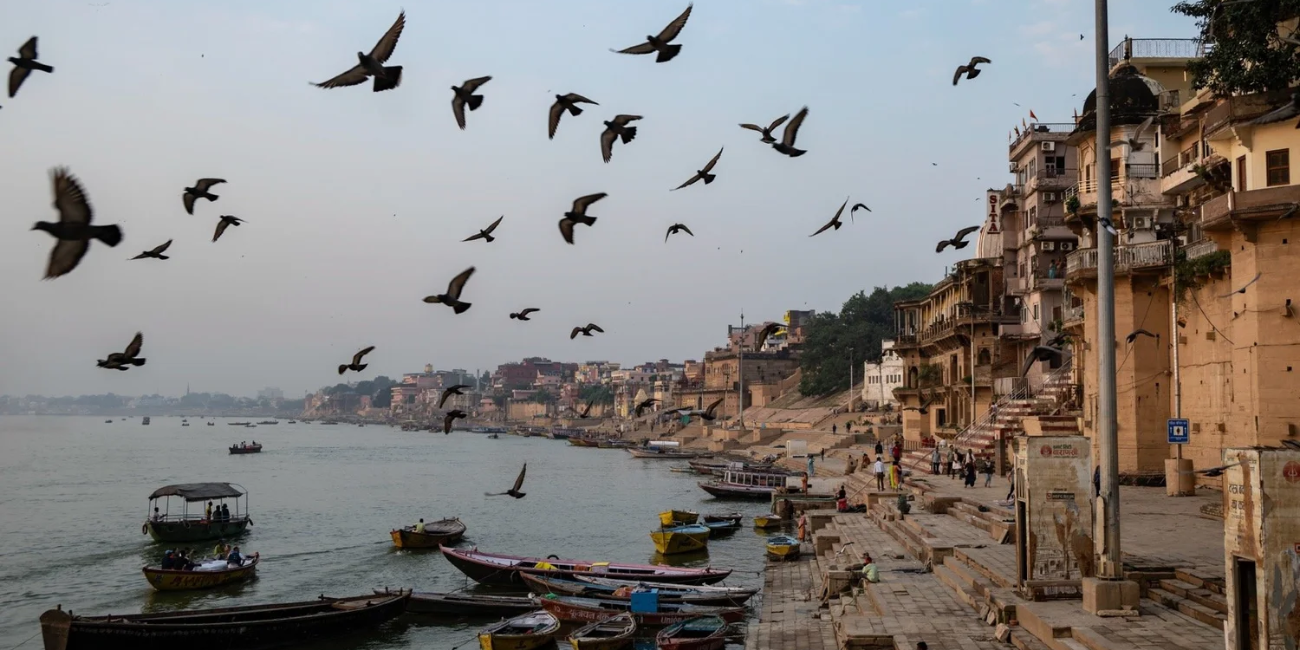
The cooler months, particularly from October to March, are usually the most pleasant times for taking a boat trip. People tend to prefer going in the early morning because the city begins to wake up along the river and the ghats have a different appearance in the gentle light. Moreover, boat trips at sunset can also provide beautiful views of the riverfront.
Fog can have an impact on visibility in winter and during the monsoon rain or poor river conditions may affect the timing of departures. It is advisable to find out from local sources about the weather and the operating conditions on the particular day. In winter wear a warm layer, take sun protection with you in summer and observe the boat operator’s safety instructions whatever the season.
Best time to explore the ghats and old city
Where possible, opt for the cooler months, since this makes it easier to spend time outside, particularly if you enjoy walking around. The ghats are best visited in the mornings and the narrow streets of the old city should be explored at a slow pace.
In summer it’s best to leave early and stay away from long walks during the middle of the day; in the monsoon you should be careful about your feet on the wet steps and take more time to move about. Regardless of which season you pick, wearing comfortable shoes and having a flexible plan will make the experience simpler.
What do you need to pack when going to Varanasi?
What you pack depends on the season:
- In winter it’s advisable to wear warm layers, along with a light jacket or sweater and a scarf when it’s early morning.
- In summer it is advisable to wear breathable clothing, comfortable walking shoes, use sunscreen, take a hat and carry a refillable water bottle.
- For the monsoon, take a light raincoat or an umbrella, and wear quick-drying clothes and shoes with good grip.
When going to the temple in any season, take with you simple clothes and make sure you have a bit of extra time scheduled. The city of Varanasi is one that gives the best experience if you don’t rush from one place to another.
What is the best time to visit Banaras?
For the majority of people, October through to March is the ideal time to visit Banaras, since the weather is more pleasant for exploring and the winter months create a particular atmosphere on the ghats. If you want some festive spirit, go in October or November; for easier sightseeing, pick February or March; and if you like cool mornings and are not mindless of the cold, then December or January is the time to go.
No one month is ideal for all travellers. You should consider the type of weather you like, the festivals you’d like to witness and how much time you plan to spend outside. Whatever time you decide to visit, make sure you leave space in your schedule for a peaceful cup of chai, a slow walk along the river and a bit of time just to enjoy the city.
Frequently Asked Questions
1. Which season is the most favorable to visit Varanasi?
Winter, between October and March, is usually the best season since the weather is more pleasant when exploring the ghats, the temples and the old city; October and February are good months for most travellers.
2.What month would you say is best to visit Varanasi?
October, February and March are all popular months for comfortable sightseeing, while November is a suitable choice if you would like to experience the festive atmosphere, even though the city tends to be crowded during the major celebrations
3.Is it worth visiting Varanasi in the summer?
Certainly, it can be quieter, though the heat might be strong, particularly in May and June; therefore, arrange your visits for early in the morning and in the evening, take a break during the midday hours and make sure you stay hydrated.
4.Is it a good idea to visit Varanasi during the monsoon?
It is possible, provided that you are not minded about rain and humidity. Although the city appears greener, showers could have an impact on walking and travel arrangements. It’s advisable to keep your schedule flexible and to check the local conditions before carrying out any activities on the river.
5.When do people celebrate Dev Deepawali in Varanasi?
Dev Deepawali takes place on Kartik Purnima, which is fifteen days after Diwali; the date varies from year to year, so it’s necessary to consult the festival calendar for the year in which you intend to travel. As it is a popular time to go, you should book your tickets in advance. incredibleindia.gov.in
6.Does winter in Varanasi tend to be foggy?
Winter mornings are often foggy and the fog can have an effect on visibility along the river. If you want to go on a boat trip at sunrise, you should check the local conditions and make allowances for a possible change in time.
7.How many days should I spend in Varanasi?
For the main ghats, the temples and Sarnath it is advisable to allow two or three days if you want to see them at a leisurely pace. If you prefer to take things slow or if you would like to attend a festival then extra time should be added.
8.What do I wear when I go to Varanasi?
Put on some comfortable clothes and wear walking shoes that are appropriate for the weather. In winter take with you warm clothes in layers, in summer take light and breathable clothing and during the monsoon have rain protection. When visiting temples select clothes that are both respectful and comfortable.