
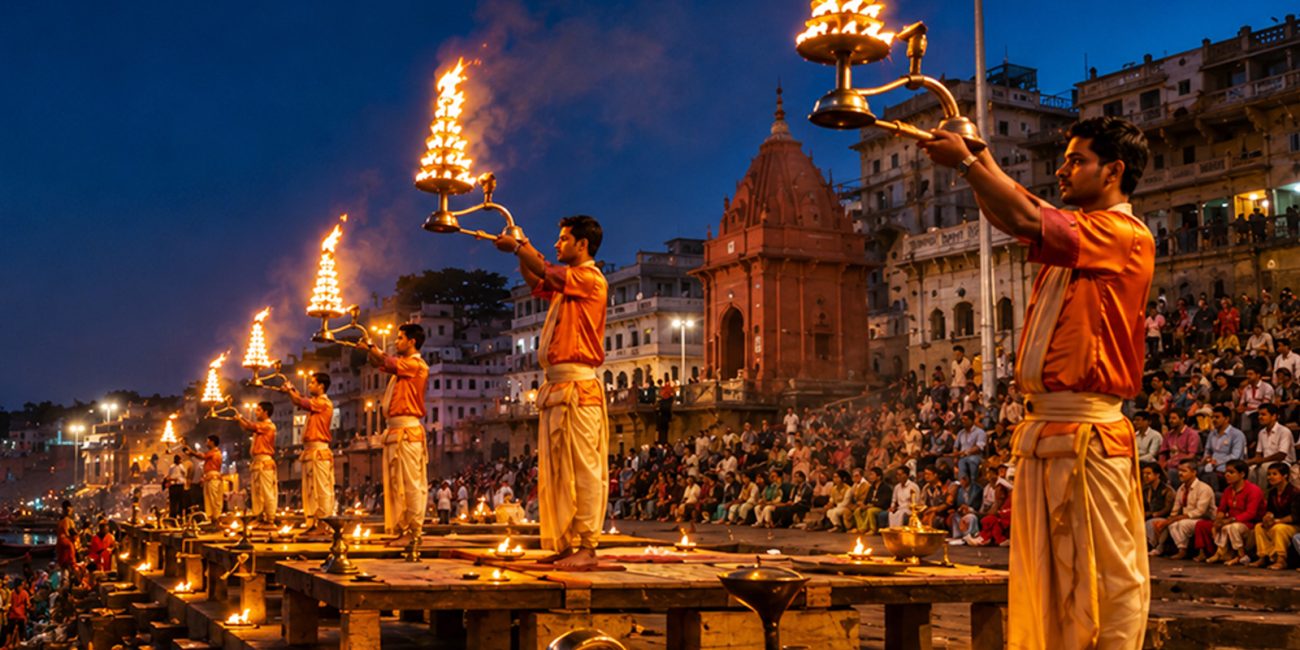
Varanasi tourism draws millions each year to its sacred ghats and timeless rituals. This ancient city offers a mix of faith, culture, and raw beauty that stays with every visitor.
Why Varanasi Captivates Travelers
Varanasi sits on the Ganges River’s banks, one of the world’s oldest living cities. People call it Kashi or Banaras, a place tied to Hindu myths for over 3,000 years. Varanasi tourism thrives on its spiritual pull—pilgrims bathe in the holy river to wash away sins, while evening aartis light up the water with flames and chants.
The city blends life and death openly. Cremation ghats like Manikarnika run day and night, reminding visitors of mortality in a profound way. Beyond rituals, Varanasi buzzes with silk weavers, street food vendors, and musicians practicing classical ragas. For first-timers, this mix feels chaotic yet magnetic.
Travelers often say Varanasi tourism changes them. A dawn boat ride shows priests offering prayers, cows wandering steps, and families washing clothes. It’s raw India, far from polished tourist spots. Stay at places like Stay Banaras, a cozy boutique hotel near the action, perfect for unwinding after busy days.
Best Time for Varanasi Tourism
Visit Varanasi between November and February for cool weather around 10-25°C. Mornings stay crisp, ideal for early ghats walks. Monsoon from June to September brings lush views but slippery steps and high water—ghats flood, boat rides get risky.
Summers hit 45°C, tough for outdoor plans. Festivals boost Varanasi tourism: Dev Deepawali in November lights 1 million lamps on ghats; Maha Shivratri in February fills temples with chants. Avoid peak crowds at Ganga Aarti during these. Plan 3-5 days to cover key spots without rush.
Getting to Varanasi
Lal Bahadur Shastri Airport lies 23 km from the city center. Taxis cost ₹800-1,200 to ghats area. Varanasi Junction railway station connects major cities—trains from Delhi take 12 hours. Buses run from Lucknow or Prayagraj but roads jam often.
Once there, autos and e-rickshaws rule narrow lanes. Fixed fares: ₹100-200 for short hops like station to Dashashwamedh Ghat. Download Ola or Uber apps, though coverage spots out in the old city. Walk ghats at dawn—they span 7 km, easy to cover on foot.
Top Ghats in Varanasi Tourism
Varanasi boasts 88 ghats, each with a story. Dashashwamedh Ghat hosts the famous evening aarti—priests swing brass lamps to rhythmic claps and bells starting 6:30 PM winter, 7 PM summer. Arrive early for seats; boats offer front views for ₹150-300.
Assi Ghat suits quiet mornings. Yoga sessions happen here, followed by sunrise boat rides (₹800 private for 1 hour). Manikarnika Ghat burns wood 24/7—respect no-photo rules, it’s sacred work. Panchganga Ghat feels less crowded, great for people-watching.
Kedar Ghat brings South Indian vibes with its colorful temple and healing pond. Walk from Dashashwamedh to Scindia Ghat, the crooked steps leaning over the river. Early risers catch subah ki puja (morning worship)—women in saris pour milk into the Ganges. Varanasi tourism peaks at these spots.
This photo captures Dashashwamedh Ghat during aarti, flames reflecting on the river.
Must-Visit Temples
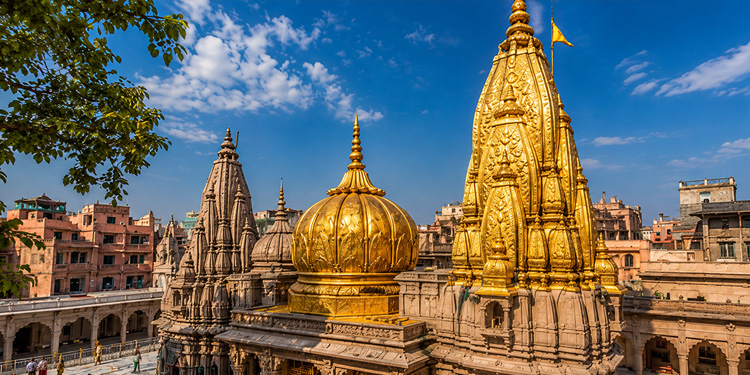
Kashi Vishwanath Temple tops every Varanasi tourism list. Shiva’s jyotirlinga shrine sees 1-2 lakh devotees daily. Online passes via official app skip lines (₹300-400). Inner sanctum darshan takes 30-45 minutes; carry ID. Thieves target crowds—secure valuables.
New Vishwanath Corridor, opened 2021, widens paths to the temple. Durga Temple, or Monkey Temple, perches on a hill with 700+ monkeys—offer bananas but watch bags. Tulsi Manas Mandir carves Ramcharitmanas on walls, peaceful for reading Tulsidas verses.
Bharat Mata Temple stands unique: a marble map of India as mother goddess, plus relief of the country. Open 9 AM-5 PM, entry free. These sites blend devotion and history in Varanasi tourism.
Sarnath: Buddha’s Legacy Near Varanasi
Hop a 10 km auto ride (₹200) to Sarnath, where Buddha preached his first sermon. Dhamek Stupa, a 28m brick tower from 500 CE, marks the spot—climb for views. Deer Park nearby roams spotted chital; Buddha released deer here.
Archaeological Museum displays Ashoka’s lion capital, origin of India’s emblem (closed Fridays, ₹20 entry). Thai, Tibetan, and Sri Lankan temples add global flavors—golden Buddha statues gleam inside. Half-day trip fits morning; return for ghat evening. Ties perfectly into Varanasi tourism.
Boat Rides on the Ganges
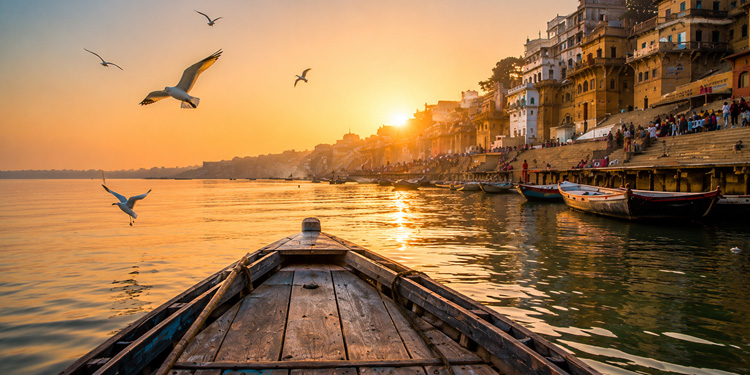
No Varanasi tourism skips a boat row. Dawn trips (5-7 AM) show bathing rituals—sadhus meditate, kids splash. Private boats seat 4-6 at ₹1,000-2,000/hour; shared ones ₹50/head. Evening rides lead to aarti from water, avoiding shore crush.
Rowers point out ghats’ myths: Vishnu’s footprint at one, Hanuman’s temple at another. Monsoon boats navigate currents; winters calmest. Tip rowers ₹100, bargain upfront. Life jackets optional but smart for kids.
Street Food and Banarasi Cuisine
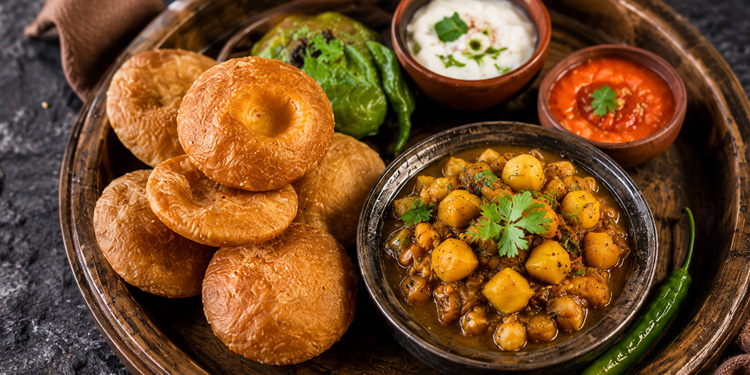
Varanasi tourism tempts taste buds. Kachori-sabzi at Kashi Chat Bhandar starts days—crispy puris with potato gravy, ₹30/plate. Malaiyo, winter-only frothy milk foam with rabri, sells at Godowlia crossings. Lassi at Blue Lassi thickens with yogurt and fruits, ₹50/glass.
Try tamatar chaat (spicy tomato skewers) near ghats, or Banarasi paan stuffed with sweets. Veg thalis at Rambut ki Chauki mix dal, puri, and subzi for ₹100. Street hygiene varies—stick to busy stalls, avoid ice. Water? Bisleri bottles only.
Peddle-walas offer pedal-powered cycle tours to food lanes. Evening chaat at Dashashwamedh—watch cooks fry in giant kadhais. Varanasi tourism pairs faith with flavors.
Shopping in Varanasi Markets
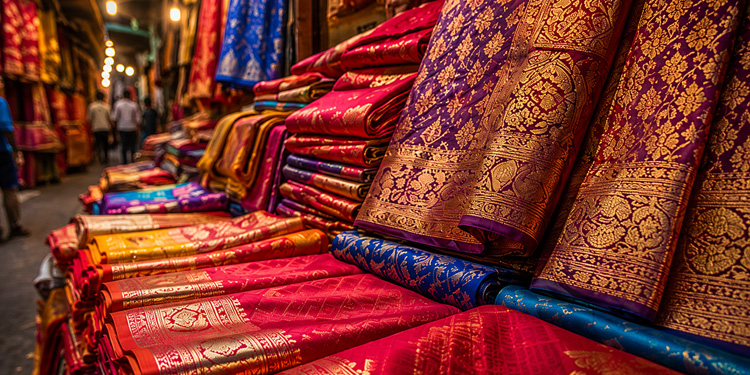
Banarasi silk saris shine golden with zari work—Thateri Bazar shops bargain from ₹5,000. Fixed-price Vishwanath Lane suits novices. Paan shops sell brass utensils, perfumes in glass bottles.
Godowlia Market buzzes post-aarti: bindis, bangles, rudraksha beads. Sarnath gifts Buddha statues, museum replicas. Haggle 30-50% off first quotes. Avoid fake “Kashi silk”—check GI tags. Varanasi tourism includes these treasures.
Cultural Experiences Beyond Temples
Join old city walks through galis (lanes)—guides explain Shiva lore, hidden shrines. Silk weaving demos at weavers’ homes show pit looms clacking. Classical music at Ameer Khas or Gharana gharanas feature sitar, tabla evenings.
Yoga at Assi Ghat overlooks Ganges—drop-in classes ₹200. Cooking workshops teach paan masala, lassi. Festivals like Ram Lila stage epics outdoors. These immersions define Varanasi tourism.
Sample 3-Day Itinerary
Day 1: Ghats and Aarti
Sunrise boat (6 AM), Kashi Vishwanath darshan (9 AM), lunch thali. Evening aarti at Dashashwamedh, walk to Assi. Stay at Stay Banaras for comfort near station.tripadvisor+1
Day 2: Temples and Fort
Durga Temple morning, Ramnagar Fort afternoon (₹20 entry, museum inside). Cross Ganges ferry for views. Dinner chaat crawl.
Day 3: Sarnath and Shopping
9 AM Sarnath loop: stupa, museum, temples. Return for market spree, sunset ghat stroll. Depart next morning. Flexible for weather.makemytrip+1
Practical Travel Tips
Dress modest: cover shoulders/knees at temples. Women, dupattas help. Photography? Ask permission at rituals, no Manikarnika flashes. Mosquitos peak evenings—DEET spray, long sleeves.
Cash rules lanes; ATMs cluster near stations. SIM cards at the airport (Airtel best signal). English works at tourist spots, Hindi elsewhere. Women travelers: buddy up for night walks, choose lit ghats.
Health: river water sacred but dirty—don’t drink, bathe eyes open. Toilets scarce; hotels have Western ones. Varanasi tourism rewards prep.
Staying Comfortable: Where to Rest
Hotels range budget to luxe. Stay Banaras ranks high—modern rooms, 1 km from station, near malls and ghats. Guests praise cleanliness, staff help. ₹3,000-5,000/night, book ahead. Alternatives: Ganges hostels for backpackers, heritage havelis for charm.
Pack light: cotton clothes, comfy shoes for uneven steps. Power banks charge phones—outlets vary.
Festivals Elevating Varanasi Tourism
Dev Deepawali (Nov full moon) floats lamps on Ganges—boats join fireworks. Shivratri (Feb-Mar) queues snake to Vishwanath. Holi at temples explodes colors. Diwali lights ghats brighter. Time visits around these for peak energy.
Eco-Friendly Varanasi Tourism
Water pollution concerns Ganges—use steel bottles, skip plastic. Support dung cakes over wood at cremations. Boat rowers prefer tips to trash. Plant trees via local NGOs. Sustainable choices preserve this gem.
History Shaping Modern Varanasi
Legends say Shiva founded Kashi. Buddha visited Sarnath 2500 years ago. Mughals, Marathas, British left marks—Ramnagar Fort from 1750. Post-independence, it grew as a faith hub. UNESCO eyes it for heritage. Layers add depth to Varanasi tourism.
For Families and Solo Travelers
Kids love boat rides, deer parks. Families pick central stays like Stay Banaras. Solos join group tours for safety. Couples enjoy sunset walks. All ages find peace here.
Common Myths Busted
Myth: Always unsafe. Fact: Busy ghats safe daytime; common sense at night.
Myth: Only Hindus. Fact: Welcomes all faiths—Buddha ties draw Buddhists.
Myth: Dirty only. Fact: Ghats alive with color, cleaning drives help. Varanasi tourism thrives on truth.
Budget Breakdown
- Flights/trains: ₹2,000-5,000 one-way
- Stay 3 nights: ₹9,000 (Stay Banaras)
- Food: ₹800/day
- Boats/autos: ₹1,500
- Entries: ₹200
Total mid-range: ₹15,000/person. Bargain saves more.
Why Book Stay Banaras?
Tucked near the railway station, Stay Banaras offers minimalist rooms with AC, WiFi, clean baths. Staff arrange boats, guides. Reviews hit 4.8/5—value king. Steps from Varanasi tourism hubs.
Varanasi tourism weaves spirituality, senses, stories. Plan smart, embrace chaos—you leave transformed. Safe travels!