
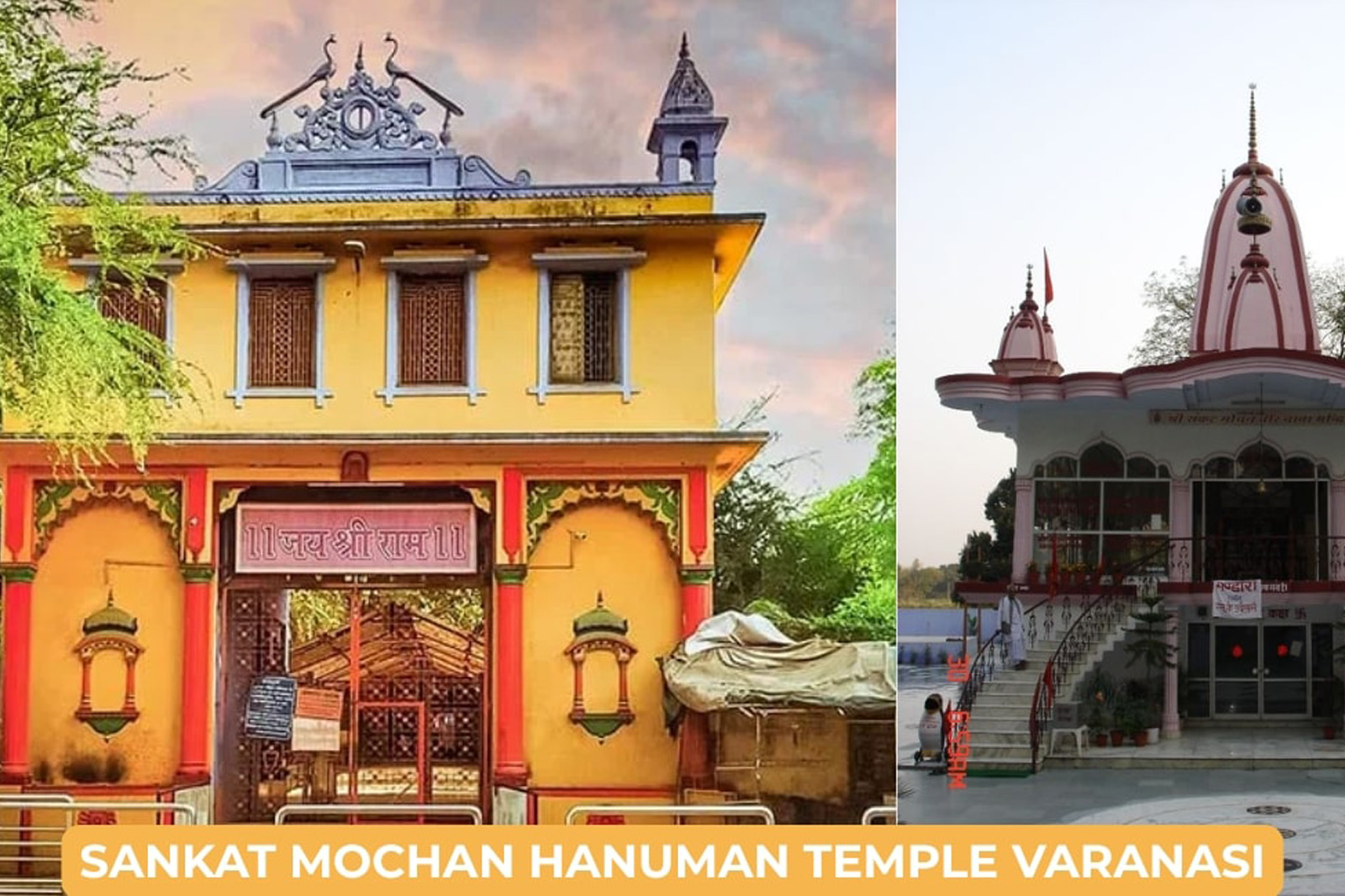
Sankat Mochan Hanuman Temple Varanasi – A Sacred Abode of Devotion and Protection
The Sankat Mochan Hanuman Temple in Varanasi is one of the most revered shrines in India, dedicated to Lord Hanuman—the remover of obstacles and the epitome of unwavering devotion and strength. Steeped in centuries of spiritual lore, this sacred temple draws millions of devotees each year, standing as a spiritual anchor for those seeking solace, healing, and divine blessings.
The Sankat Mochan Hanuman Temple in Varanasi is one of the most revered shrines in India, dedicated to Lord Hanuman—the remover of obstacles and the epitome of unwavering devotion and strength. Steeped in centuries of spiritual lore, this sacred temple draws millions of devotees each year, standing as a spiritual anchor for those seeking solace, healing, and divine blessings.
Table of Contents
- History of Sankat Mochan Hanuman Temple Varanasi
- Significance of Sankat Mochan Hanuman
- Rituals at Sankat Mochan Hanuman Temple Varanasi
- Architecture and Temple Layout Sankat Mochan Hanuman Temple Varanasi
- Festivals and Celebrations at Sankat Mochan Hanuman Temple Varanasi
- Classical Music at Sankat Mochan Hanuman Temple Varanasi
- Location and Accessibility Sankat Mochan Mandir Varanasi
- Best Time to Visit Sankat Mochan Hanuman Temple Varanasi
- Things to Remember While Visiting Sankat Mochan Hanuman Mandir
- Nearby Attractions: Sankat Mochan Hanuman Temple Varanasi
- Why Visit Sankat Mochan Hanuman Temple Varanasi?
- Other Blogs from Us
History of Sankat Mochan Hanuman Temple Varanasi
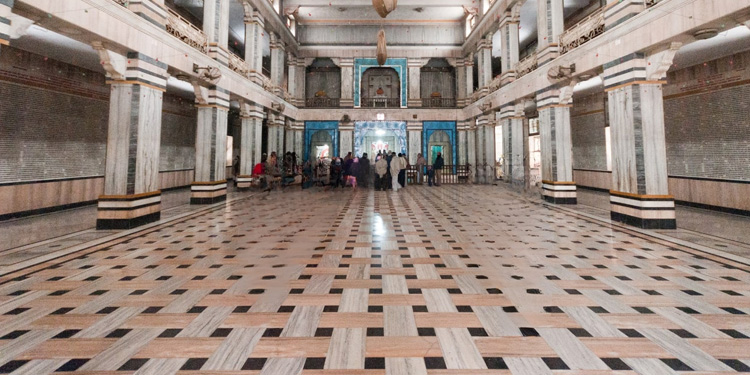
The Sankat Mochan Hanuman Mandir in Varanasi dates back to the 16th century and is closely associated with Goswami Tulsidas, the revered poet-saint and author of the Ramcharitmanas. Deeply devoted to Lord Rama and Hanuman, Tulsidas is believed to have had a divine vision of Lord Hanuman near the Assi River.
Inspired by this celestial encounter, Tulsidas installed a Hanuman idol beneath a fig tree at the exact location. He named the shrine Sankat Mochan, meaning “Remover of Troubles,” to reflect Lord Hanuman’s compassionate and protective nature. It quickly became a sacred space for solace and prayer.
A beloved legend recounts how a despairing Tulsidas threw his water pot near a dead tree, inadvertently reviving a thirsty spirit. When granted a wish, he asked for a glimpse of Lord Rama, and the spirit revealed that only Hanuman, a constant listener of Ram Katha, could fulfil it.
Determined, Tulsidas began narrating Ram Kathas across the city until he identified a quiet old man who attended every session. Following him to the riverbank, Tulsidas pleaded for his identity, only to discover that the man was Lord Hanuman himself. The temple idol marks this very spot.
The modern structure of Sankat Mochan Temple took shape in the early 20th century, thanks to Pandit Madan Mohan Malviya, the founder of Banaras Hindu University (BHU). His efforts brought architectural coherence and wider recognition to the site.
Later, Swami Karpatriji Maharaj played a key role in expanding and spiritually enriching the temple. Today, it stands not just as a devotional haven but also as a living embodiment of faith, culture, and healing in the heart of Varanasi.
Significance of Sankat Mochan Hanuman
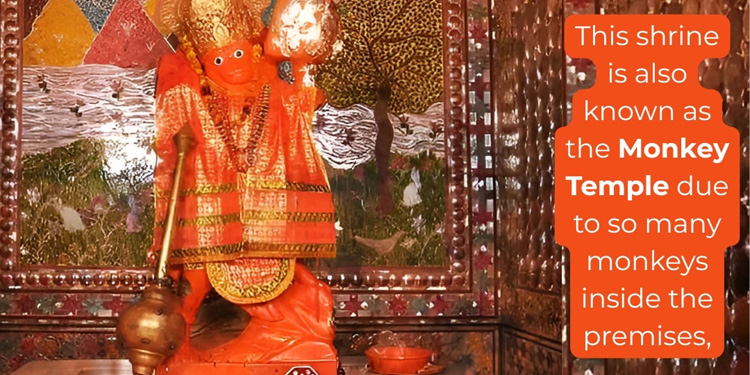
The architecture of Sankat Mochan Hanuman Temple is a reflection of spiritual simplicity and devotion. Unlike many lavish temples, this sacred space exudes a quiet, unpretentious charm that enhances its divine atmosphere. Set amidst the green serenity of the Lanka area in Varanasi, the temple is surrounded by ancient trees and is frequented by monkeys and langurs, creatures considered sacred due to their association with Lord Hanuman.
At the heart of the temple is the main sanctum, which houses the idol of Lord Hanuman in a peaceful, meditative form. Notably, the deity is positioned facing Lord Rama, who is enshrined in a separate sanctum along with Sita and Lakshman. This architectural choice highlights the eternal bond of devotion and servitude between Hanuman and Rama. Between these two shrines lies a sacred well, symbolising purity and spiritual unity.
Unlike many grandiose temples, Sankat Mochan Mandir Varanasi is marked by simplicity and understated elegance. It is this very humility in its architecture that enhances its spiritual appeal. The temple complex features:
- Three Entrances:
- The Grand Main Entrance welcomes the majority of visitors.
- A Traditional Side Door is often used by regular devotees seeking quietude.
- A Reserved Entry Pathway is allocated for VIP visitors and residents.
- Twin Sanctums:
- One housing the idol of Lord Hanuman, facing the sanctum of Lord Rama, Sita, and Lakshman.
- This unique alignment represents Hanuman’s eternal devotion and servitude to Rama.
- A Sacred Well:
- Located between the two sanctums, it symbolises spiritual unity and purity.
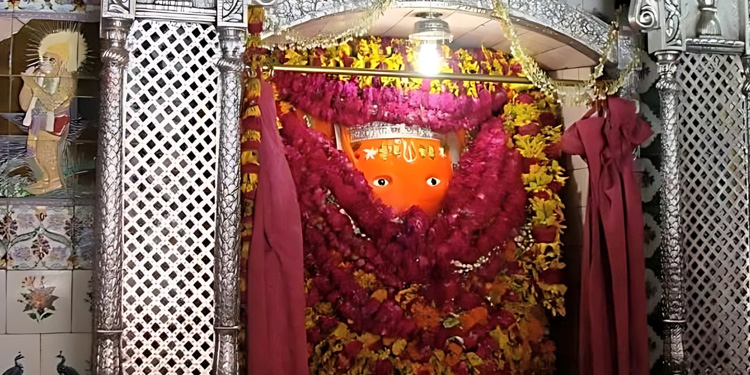
Inside the sanctum, the idol of Hanuman is usually covered in bright sindoor (vermilion) and draped in sacred cloth. The air is constantly filled with devotional chants, ringing bells, and the fragrance of incense, creating an immersive spiritual environment that reflects both the devotion of the devotees and the timeless energy of the deity.
Festivals and Celebrations at Sankat Mochan Hanuman Temple Varanasi
The temple is not only a centre of daily worship but also a focal point for major Hindu festivals, celebrated with unmatched fervour.
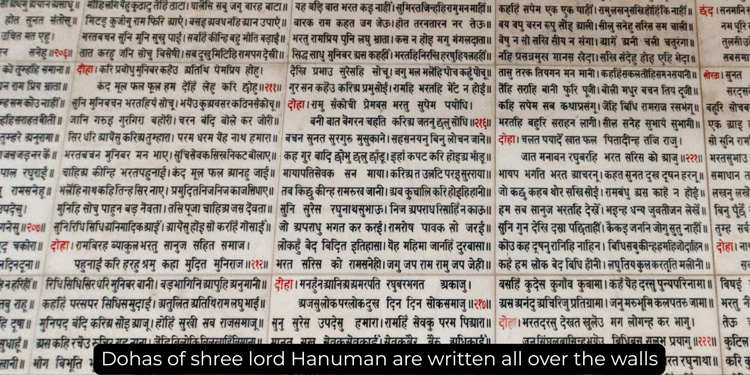
Hanuman Jayanti
This is the most important festival at Sankat Mochan Hanuman Temple. Celebrated in April, it marks the birth of Lord Hanuman. The temple premises come alive with continuous chanting of the Hanuman Chalisa, bhajans, spiritual discourses, and aarti. Pilgrims gather in the thousands, many staying overnight in vigil, immersed in a profound sense of divine energy.
Other Festivals:
- Ram Navami: Celebrating the birth of Lord Rama, this festival features recitations of the Ram Katha and special pujas.
- Tulsi Jayanti: Honouring Goswami Tulsidas, the temple’s founder, with readings from Ramcharitmanas.
- Diwali & Dussehra: The temple is beautifully decorated and lit up with diyas, creating an ethereal glow.
Daily worship at the temple includes:
- Mangala Aarti (early morning)
- Sandhya Aarti (evening)
- Sundarkand Path (recitation of the Sundarkand from the Ramayana)
- Hanuman Chalisa Path Sabha: The Chalisa is recited 108 times, especially during special pujas.
Classical Music at Sankat Mochan Hanuman Temple Varanasi
One of the most distinctive aspects of the Sankat Mochan Hanuman Temple is its profound connection to Indian classical music and dance. Beyond being a sacred place of worship, the temple is the proud host of the Sankat Mochan Sangeet Samaroh, one of India’s longest-running and most respected classical music festivals. Held annually in April, this five-day festival transforms the temple into a stage where devotion and art converge.
Established more than 88 years ago, the festival is not merely a cultural event; it is a spiritual offering. Musicians and dancers from across India and abroad gather not for fame or monetary reward, but to offer their art as a form of devotion to Lord Hanuman. The ambience, filled with incense, chants, and quiet reverence, adds a transcendent quality to every performance.
Notable Features of the Festival:
- Legendary Performers: Over the decades, the festival has been graced by some of the greatest names in Indian classical music and dance, Pandit Jasraj, Ustad Bismillah Khan, Pt. Shivkumar Sharma, Pt. Birju Maharaj, Kelucharan Mahapatra, and even Ghulam Ali, among others. Each artist brings their interpretation of bhakti (devotion) through raga and rhythm.
- Inclusivity and Progressiveness: Originally a male-dominated space, the festival has grown into an inclusive platform for women artists. Pioneers like Sanjukta Panigrahi, Swapna Sundari, and others have performed here, thanks in part to visionary figures like Kelucharan Mahapatra, who believed in spiritual equality through the arts.
- Bhakti Through Music: What truly sets this festival apart is the absence of commercialism. Performers receive no remuneration; their only intent is to offer their music to Hanumanji, making every note a prayer and every movement an expression of surrender.
The Sankat Mochan Sangeet Samaroh is entirely free and open to the public, drawing thousands of attendees including devotees, students, scholars, artists, and spiritual seekers. The performances often begin late in the evening and go on until dawn, turning the temple courtyard into a sanctified concert hall, where the boundary between the secular and the sacred dissolves.
In a city like Varanasi, where time-honoured tradition and divine devotion flow through every ghat and galli, the Sankat Mochan Sangeet Samaroh stands as a living symbol of India’s rich spiritual and artistic heritage. Here, music isn’t just heard—it’s felt, lived, and revered.
Location and Accessibility Sankat Mochan Mandir Varanasi
Located in the southern part of Varanasi, near the Assi Ghat, the Sankat Mochan Mandir is easily accessible by road. The nearest railway station is Varanasi Junction, and the Lal Bahadur Shastri International Airport is about 25 kilometres away.
Address:
Sankat Mochan Mandir, Lanka, Varanasi, Uttar Pradesh – 221005
Best Time to Visit Sankat Mochan Hanuman Temple Varanasi
While the temple is open throughout the year, the best times to visit are:
- Early mornings (5 AM – 7 AM) for peaceful darshan.
- Tuesdays and Saturdays are considered highly auspicious.
- During Hanuman Jayanti and other festivals, for a culturally immersive experience.
The temple opens early in the morning, around 5:00 AM and remains open until around 10:00 PM, with breaks in the afternoon.
Things to Remember While Visiting Sankat Mochan Hanuman Mandir
- Maintain silence and decorum within temple premises.
- Dress modestly to respect religious sentiments.
- Beware of monkeys and avoid carrying food items openly.
- Photography inside the main sanctum is usually restricted.
- Participate in aarti for a truly divine experience.
Nearby Attractions: Sankat Mochan Hanuman Temple Varanasi
Visitors can explore other spiritual sites close to Sankat Mochan Mandir Varanasi, including:
- Durga Kund Temple
- Tulsi Manas Temple
- Assi Ghat
- Banaras Hindu University (BHU)
- Kashi Vishwanath Temple
Why Visit Sankat Mochan Hanuman Temple Varanasi?
A visit to the Sankat Mochan Hanuman Mandir is not just about rituals; it’s about surrender, faith, and inner transformation. Thousands have shared stories of miraculous recoveries, answered prayers, and unexplainable peace experienced here.
Whether you’re a devout follower, a spiritual seeker, or simply someone drawn to the mysticism of India, the Sankat Mochan Hanuman Temple Varanasi is a must-visit. It stands as a beacon of hope, strength, and divine grace.
Other Blogs from Us
Explore the soul of Varanasi through our curated blogs and guides. Whether you’re on a spiritual quest, a cultural trail, or just soaking in the city’s timeless vibe, these reads will enrich your journey:
- Top Tourist Places to Visit in Varanasi
A comprehensive list of must-visit landmarks in the spiritual capital of India, from ghats to museums and hidden gems. - Famous Temples of Kashi You Should Not Miss
Discover the divine circuit of temples in Varanasi that resonate with centuries of devotion and mythology. - Sarnath Tourist Places – A Journey into Buddha’s First Sermon Land
A short drive from Varanasi, Sarnath offers serenity, history, and a deep spiritual experience. - Things to Do in Varanasi – Beyond the Ghats and Temples
Explore Varanasi like a local—try its street food, watch a classical performance, or take a boat ride at dawn. - Stay Banaras Blog – Stories, Guides, and Soulful Explorations
Your go-to place for slow travel stories, culture deep-dives, and insider tips for a meaningful stay in Kashi.