
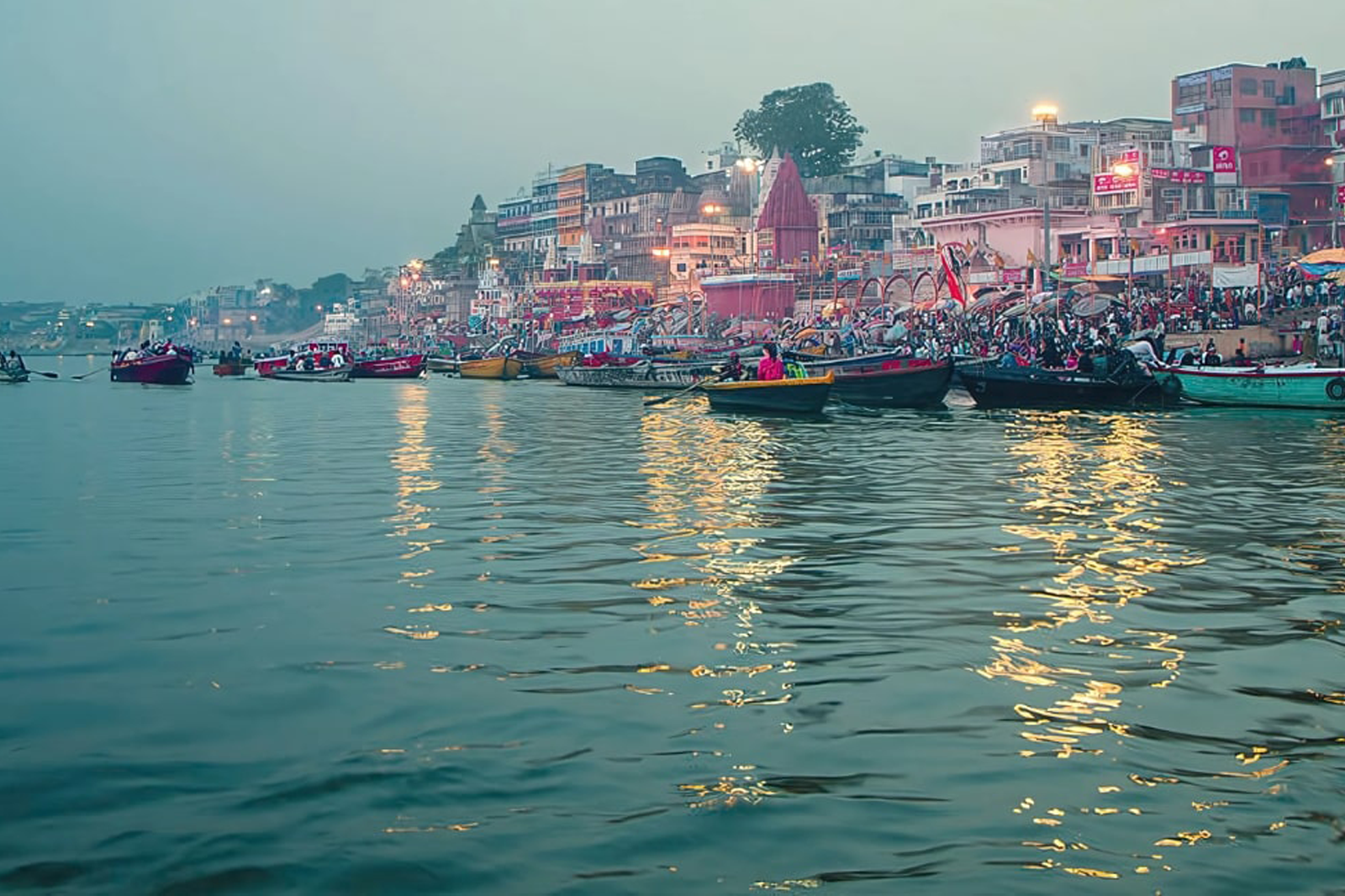
Varanasi: Unveiling the Unique Charms of This Holy City
Varanasi is a city filled with spirituality, history, and luxury. It’s known for its spiritual significance. The city has been a centre of culture and religion for centuries. The Ganges River flows through it, adding to its unique charms. What is special about Varanasi is its seamless blend of ancient traditions and modern spirituality.
The city’s history is seen in its amazing architecture. The Kashi Vishwanath Temple is a key landmark. Varanasi is also known for its beautiful Banarasi sarees, a mix of tradition and skill. As a holy city, it draws visitors from all over, seeking its mystique and spiritual vibe.
Key Takeaways
- Varanasi is a city with a rich history and spiritual significance.
- The city’s unique charms are reflected in its architecture, culture, and traditions.
- The Kashi Vishwanath Temple and the Ganges River are significant aspects of Varanasi’s spiritual landscape.
- Varanasi is famous for its luxurious Banarasi sarees, a perfect blend of tradition and craftsmanship.
- The city’s holy status attracts visitors from around the world.
The Ancient History of Varanasi: One of the World's Oldest Continuously Inhabited Cities
Varanasi has been a hub of human life for ages. It has seen empires rise and fall. This city’s long life shows its deep historical and cultural value. Archaeologists often ask, ‘What is special about Varanasi?’ as they uncover layers of civilization beneath its soil.
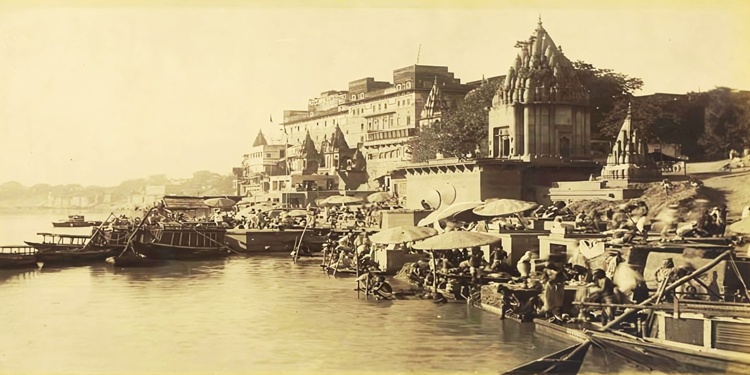
Archaeological Evidence and Historical Timeline
Excavations in Varanasi have found signs of life from the Indus Valley Civilisation. The city’s history is filled with key moments. These include the Buddhist and Jain influences during Ashoka’s rule.
Here's a quick look at Varanasi's history:
Period
- Indus Valley Civilisation (3000 BCE – 1500 BCE)
- Mauryan Period (322 BCE – 185 BCE)
- Gupta Period (320 CE – 550 CE)
Significant Events
- Early signs of human habitation
- Buddhist and Jain influences under Ashoka
- Cultural and intellectual resurgence
Varanasi Through Different Empires and Rulers
Varanasi has been ruled by many empires. Each left its own mark on the city.
Mauryan and Gupta Periods
In the Mauryan period, Varanasi became a centre of Buddhist and Jain learning. The Gupta period saw a cultural and intellectual boom. Varanasi became a key place for Sanskrit scholarship.
“Varanasi is a city that has been a witness to the rise and fall of civilisations, and yet, it continues to thrive.”
A renowned historian
Medieval and Colonial Influences
The medieval period brought challenges from invaders. Yet, Varanasi remained a cultural centre. The colonial era brought changes, especially in architecture and administration.
The Kashi Vishwanath Temple is a symbol of Varanasi’s spiritual importance. Its history shows the city’s ability to keep its culture alive through tough times.
What is Special About Varanasi: An Overview of Its Unique Characteristics
Varanasi is known for its rich history, vibrant culture, and deep spirituality. This ancient city has been a place where cultures and faiths meet. It’s a city like no other.
Religious Significance Across Multiple Faiths
Varanasi is a sacred city for Hindus, Buddhists, and Jains. It’s said to be where Lord Shiva lives. The city is filled with temples, ghats, and rituals.
Cultural Importance in Indian Heritage
Varanasi has greatly influenced India’s culture. It’s famous for its classical music, traditional arts, and crafts. The city buzzes with life through its festivals, clothes, and food.
Aspect
- Religious Significance
- Cultural Importance
- Spiritual Capital
Description
- Sacred city for Hindus, Buddhists, and Jains
- Centre for classical music and traditional arts
- Nickname reflecting its spiritual essence
Significance
- Pilgrimage site, numerous temples and ghats
- Shapes India’s cultural heritage
- Attracts spiritual seekers and pilgrims
The City's Nickname: "The Spiritual Capital of India"
Varanasi is called “The Spiritual Capital of India.” Its ghats along the Ganges River are key for spiritual practices. Daily rituals and ceremonies take place here.
The mix of spirituality, culture, and history makes Varanasi a must-see. It attracts visitors from all over the world.
The Sacred Ganges: Life and Death Along the Holy River

The Ganges River flows through Varanasi’s heart, symbolizing the city’s spiritual core. Ghats along the river show the city’s deep respect for this sacred water. Here, spirituality and everyday life are closely linked.
Spiritual Significance of the Ganges in Hinduism
In Hinduism, the Ganges represents purification and salvation. It’s believed that a dip in the Ganges can cleanse sins and help achieve moksha. This is the liberation from life and death’s cycle.
“The Ganges is the holiest of rivers, and its waters have the power to purify the soul.”
Varanasi’s people deeply believe in this. They visit the river for rituals and spiritual comfort.
Daily Rituals and Activities Along the Riverbanks
The ghats of Varanasi buzz with life from dawn to dusk. Devotees perform puja and pray to the river. Others take a holy dip. The riverbanks are also a place for cultural events, like music and dance.
As the day goes on, the ghats turn into a colourful, lively scene. Vendors sell flowers and sacred items, adding to the vibrant atmosphere.
Environmental Challenges and Conservation Efforts
The Ganges faces big environmental problems, like pollution from factories and sewage. To tackle these, efforts like the Namami Gange Programme are underway. This program aims to clean and restore the river.
These conservation efforts are key to keeping the Ganges alive and sacred for the future.
Ghats of Varanasi: Exploring the Iconic Riverside Steps
Varanasi’s ghats along the Ganges are a colourful mix of rituals, culture, and history. These steps are more than just a place; they are the city’s heart, full of life and spirituality. Visitors witnessing the Aarti ceremony often reflect on what is special about Varanasi and its spiritual magnetism.
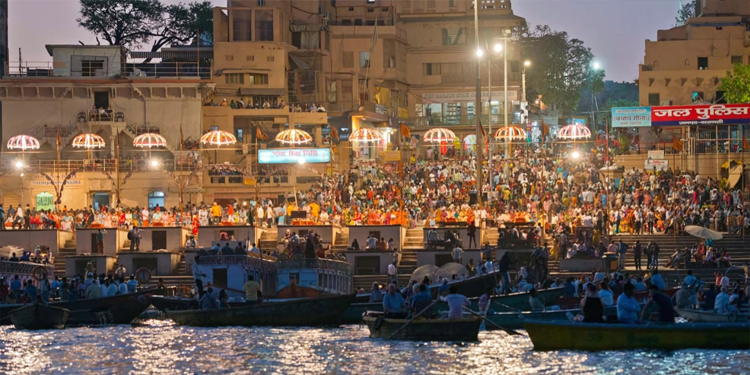
Dashashwamedh Ghat and the Evening Aarti Ceremony
Dashashwamedh Ghat is famous for its Aarti ceremony in the evening. This ritual, held at the Ganges’ edge, is a mix of fire, flowers, and chanting. It’s a memorable experience for all who see it.
Manikarnika and Harishchandra: The Burning Ghats
Varanasi has two main cremation ghats: Manikarnika and Harishchandra. These ghats are key in the life and death cycle. They also hold deep spiritual beliefs.
The Cremation Process and Its Significance
The cremation here is a complex ritual with deep meaning. It’s believed that being cremated in Varanasi frees the soul from rebirth.
Period
- Cremation Location
- Rituals Performed
- Spiritual Belief
Significance
- Believed to liberate the soul
- Conducted by priests and family members
- Attainment of Moksha
Etiquette for Visitors
Visitors to the burning ghats must be respectful. Photography is often not allowed. Always follow local rules.
Other Notable Ghats and Their Significance
Varanasi has many ghats, each with its own story. From Assi Ghat to Scindia Ghat, they all show the city’s rich culture and spirituality.
Temples and Religious Architecture: Sacred Structures of Varanasi
Varanasi is a city filled with spirituality. It has many temples that show its deep religious roots. These sacred buildings are not just for worship. They also represent Hinduism and other faiths that have shaped the area. Each temple tells a story that answers the question: What is special about Varanasi?
Kashi Vishwanath Temple: The Golden Temple
The Kashi Vishwanath Temple is a top Hindu temple in India. It’s dedicated to Lord Shiva. For centuries, it has been a key place for pilgrims.
History and Reconstruction
The temple’s history is long and complex. It has been destroyed and rebuilt many times. The current temple, built in 1776 by Maharani Ahilya Bai Holkar, is a stunning example of Hindu architecture.
Visiting Information and Rituals
Visitors can see many rituals and ceremonies at the temple. The daily aarti ceremony is a highlight of the day. It’s important to follow the temple’s rules and traditions when you visit.
Durga Temple, Sankat Mochan, and Other Important Shrines
Varanasi also has the Durga Temple, known for its red ochre colour. And the Sankat Mochan Hanuman Temple, dedicated to Lord Hanuman. These temples are key pilgrimage sites and show the city’s rich culture.
Buddhist Influence: Sarnath and Its Monuments
Sarnath, near Varanasi, is a key Buddhist site. It’s where Lord Buddha gave his first sermon after enlightenment. The site has many Buddhist monuments, like the Dhamek Stupa and the Chaukhandi Stupa.
As Swami Vivekananda said, “The Ganges, the Himalayas, and the land of Bharata are the three sacred things of India.” This quote captures Varanasi’s spiritual essence and its surroundings.
- The Kashi Vishwanath Temple is a major pilgrimage site.
- Sarnath is significant in Buddhist history.
- Varanasi’s temples reflect its rich cultural heritage.
The Spiritual Experience: Rituals, Ceremonies, and Practices
In Varanasi, spirituality is more than just a practice; it’s a way of life. The city’s ghats and temples are alive with activities. These show the deep spiritual traditions of the area.
Morning Rituals and Sunrise Boat Rides
A trip to Varanasi isn’t complete without a serene sunrise boat ride on the Ganges. Seeing the morning ‘Ganga Aarti’ is a moving experience. It leaves a lasting mark on your soul.
Participating in Pujas and Blessings
Visitors can join in on pujas and ceremonies at temples and ghats. These rituals are a chance to seek blessings. They let you feel the city’s spiritual energy.
The Concept of Moksha in Varanasi
Varanasi is seen as a place for moksha, or freedom from life and death. The city’s spiritual importance comes from this belief.
Why Many Hindus Choose to Die in Varanasi
Dying in Varanasi is seen as lucky for many Hindus. It’s believed to help achieve moksha. This draws many to the city for spiritual experiences.
Cultural Heritage: Music, Art, and Learning Traditions
Varanasi is a city filled with tradition. It has a rich cultural heritage in classical music, art, and learning. This is seen in its traditions and institutions that have shaped the city’s identity. From music to art, what is special about Varanasi is how it preserves and celebrates its heritage.
Banaras Gharana: The Classical Music Tradition
The Banaras Gharana is a famous school of Indian classical music from Varanasi. It has a unique style and has greatly contributed to India’s musical heritage. Many renowned musicians from this Gharana have helped spread Indian classical music worldwide.
Banaras Gharana: The Classical Music Tradition
Banaras Hindu University (BHU) shows Varanasi’s dedication to education. Founded in 1916, BHU is now one of India’s largest and most respected universities. It offers a wide range of academic programs and has a big impact on the city’s culture and intellect.
Traditional Arts and Crafts of Varanasi
Varanasi is known for its traditional arts and crafts. These include intricate wooden toys and handicrafts, and beautiful pottery and metalwork. These crafts show the city’s artisanal skills and are important for its culture and economy.
Wooden Toys and Handicrafts
The artisans of Varanasi make beautiful wooden toys and handicrafts. These items are loved for their craftsmanship. They often have traditional motifs and are used as decorations or toys.
Pottery and Metalwork
Pottery and metalwork are also traditional crafts in Varanasi. Artisans create a wide range of items, from useful pottery to detailed metal artefacts. These crafts are a big part of the city’s cultural heritage, showing its rich artisanal traditions.
The Famous Banarasi Silk: Weaving Traditions and Shopping
Varanasi is known for its beautiful Banarasi silk. This silk shows the city’s rich weaving traditions. For centuries, Banarasi silk has been a key part of Varanasi’s culture, attracting visitors with its beauty and skill. What is special about Varanasi is its dedication to craftsmanship, especially in Banarasi silk weaving.
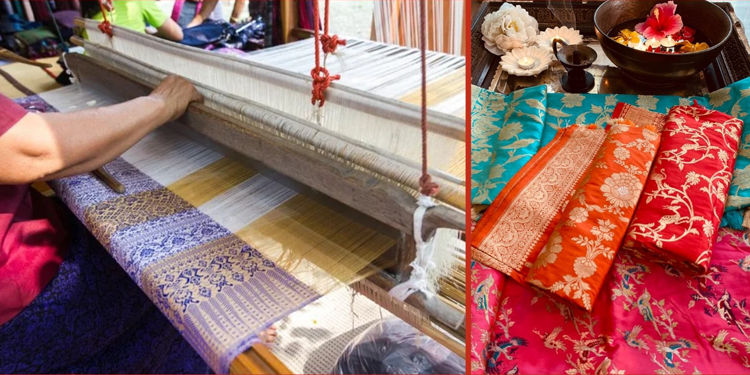
The beauty of Banarasi silk comes from its luxurious fabric and detailed designs. These designs show the city’s rich culture. Banarasi silk weaving is an art passed down through generations, with techniques and patterns getting better over time.
History and Techniques of Banarasi Silk Weaving
The history of Banarasi silk weaving goes back to the Mughal era. Royal families supported this craft. The weaving involves intricate hand-weaving on traditional looms, with designs inspired by mythology, nature, and geometry. The use of gold and silver threads makes these textiles even more special.
Banarasi silk weaving is known for its kadua (brocade) work. This is done by inserting weft threads with a needle, creating detailed patterns. This process is very hard and requires a lot of skill and patience, making each piece a work of art.
Where to Buy Authentic Banarasi Textiles
In Varanasi, you can find many places to buy authentic Banarasi textiles. The Mainpuri and Chowk areas are great for this. It’s best to buy from local weavers or reputable shops to make sure it’s real.
Popular places include the Varanasi Handloom and Sari Wali Gali. Here, you can find many Banarasi silk products. When shopping, look for the Handloom Mark or Silk Mark to know it’s genuine and of good quality.
Supporting Local Artisans and Fair Trade Practices
It’s important to support local artisans to keep traditional crafts like Banarasi silk weaving alive. Buying directly from weavers or through fair trade organisations helps these skilled craftsmen. This way, you contribute to their livelihoods.
Fair trade practices make sure artisans get fair pay for their work. This helps keep Varanasi’s cultural heritage alive. Organisations promoting fair trade work with local communities to improve their lives.
Culinary Delights: Exploring Varanasi's Unique Food Culture
Varanasi’s food scene is a feast for the senses. It offers a mix of street food, sweets, and paan. This blend shows the city’s rich history and cultural diversity. Even in its cuisine, what is special about Varanasi is the fusion of flavour and tradition.
Street Food Specialities of Varanasi
Varanasi is famous for its street food. It has a wide range of savoury and sweet dishes. Here are some must-try items:
Kachori Sabzi and Chaat
Kachori Sabzi is a favourite breakfast dish. It’s crispy kachoris with a spicy potato curry. Chaat items like tokri chaat and dahi bhalla are also loved by locals and visitors.
Lassi and Thandai
Trying local drinks is a must in Varanasi. Lassi, a yoghurt-based drink, is refreshing. Thandai, a spiced milk drink, is great during festivals.
Traditional Sweets and Desserts
Varanasi is known for its traditional sweets. These sweets are a big part of the city’s culinary heritage. Malaiyo, a creamy dessert, and rabdi, a sweet concoction, are popular.
The Famous Banarasi Paan
Varanasi’s cuisine wouldn’t be complete without Banarasi Paan. This traditional digestive aid is made with betel leaves, areca nut, and spices. It offers a unique flavour experience.
Dish/Drink
- Kachori Sabzi
- Lassi
- Thandai
- Banarasi Paan
Significance
- Crispy kachoris served with spicy potato curry
- Yoghurt-based refreshing drink
- Spiced milk drink, perfect for festivals
- Traditional digestive aid made with betel leaves and spices
Beyond Spirituality: Lesser-Known Attractions in and Around Varanasi
Varanasi is more than just its famous ghats and temples. It has many hidden spots that show its rich culture. These places offer a deeper look into Varanasi’s heritage.
Ramnagar Fort and Museum
Ramnagar Fort sits on the Ganges’ opposite bank. It was once the home of the Maharaja of Varanasi. The fort mixes Indian and European styles and has a museum with old cars, palanquins, and royal items.
Man Mandir Observatory
Man Mandir Observatory was built in the 18th century. It’s a hidden treasure. Inside, you’ll find ancient tools used to study the sky.
Day Trips from Varanasi
Varanasi is great for exploring nearby areas. There are many places to visit, each with its own history, culture, and beauty.
Chunar Fort
Chunar Fort is on the Ganges’ banks. It’s seen many battles and changes in rulers. Its location made it valuable to many dynasties.
Vindhyachal and Mirzapur
Vindhyachal and Mirzapur are known for their temples and natural beauty. Vindhyachal has ancient temples, and Mirzapur is famous for its carpets.
These spots and day trips offer a unique view of Varanasi and its surroundings. They let travellers see the real charm of this ancient city.
Navigating Varanasi: Practical Travel Tips and Best Times to Visit
To fully enjoy Varanasi, knowing the best times to visit and how to get around is key. Understanding the seasons and festivals can make your trip better.
Seasonal Considerations and Festival Timing
Varanasi is alive with festivals and events all year. Dev Deepawali and Ganga Mahotsav are two big ones that draw visitors worldwide.
Dev Deepawali and Ganga Mahotsav
Dev Deepawali lights up the ghats with diyas, creating a magical scene. Ganga Mahotsav celebrates the Ganges with music and rituals.
Weather Patterns and Ideal Visiting Months
The best time to visit is from October to March. The weather is nice then. Summer is too hot, and the monsoon can be rainy.
Transportation Within the City
Getting around Varanasi is an adventure. You can use auto-rickshaws, cycle rickshaws, or take a boat ride on the Ganges.
Mode of Transport
- Auto-rickshaw
- Cycle Rickshaw
- Boat Ride
Description
- Convenient for short distances
- Environmentally friendly, great for ghats
- Panoramic views of the Ganges
Cost
- Negotiable
- Typically ₹100-₹200
- ₹200-₹500
Accommodation Options for Different Budgets
Varanasi has many places to stay, from cheap guesthouses to fancy hotels. You can pick based on your budget and what you want.
Health and Safety Considerations
Stay healthy and safe by drinking plenty of water and eating well-cooked food. Also, watch your stuff in crowded places.
Conclusion: The Enduring Allure of India's Spiritual Capital
Varanasi is a city where old traditions meet modern life. It’s India’s spiritual heart, attracting travellers from everywhere. Here, people find a journey of self-discovery and change.
The city’s charm comes from its sacred ghats, temples, and the Ganges River. Visitors can dive into the rich culture, like Vanarasi silk and traditional arts. They can also enjoy the local food.
Varanasi offers a deep experience, whether you’re looking for spiritual growth, cultural insight, or just to understand its ancient magic. Its power to draw and inspire shows why it’s a sacred place.
Varanasi isn’t just a destination—it’s an experience that lingers in your soul. From its spiritual depth to its artistic flair, every corner of the city whispers stories of timeless wonder. And if you’re planning to immerse yourself in this magic, choosing the right stay can elevate your journey. Stay Banaras offers a boutique experience that blends heritage charm with modern comfort—perfect for travellers seeking authenticity with a touch of elegance.
FAQ
What is the significance of Varanasi in Hinduism?
Varanasi is a sacred city in Hinduism. It’s believed to be Lord Shiva’s home. It’s a key pilgrimage site and is called the “Spiritual Capital of India.”
What is the Kashi Vishwanath Temple?
The Kashi Vishwanath Temple is a sacred Hindu temple. It’s dedicated to Lord Shiva and is one of the twelve Jyotirlingas. Located in Varanasi, it’s highly revered in India.
What are the ghats of Varanasi?
Varanasi’s ghats are steps leading to the Ganges River. Here, people perform rituals and ceremonies. Famous ghats include Dashashwamedh Ghat, Manikarnika Ghat, and Harishchandra Ghat.
What is the significance of the Ganges River in Varanasi?
The Ganges River is sacred in Hinduism. It symbolises purification and spiritual renewal. In Varanasi, it’s central to daily life, with many rituals along its banks.
What is Banarasi silk?
Banarasi silk is a traditional Indian fabric from Varanasi. It’s known for intricate designs, rich colours, and luxurious texture. It’s used to make saris and other traditional clothing.
What are some must-try foods in Varanasi?
Varanasi is famous for its street food. Try chaat, kebabs, and lassi. Don’t miss malaiyo, rabdi, and jalebi. Banarasi paan is also a must-try.
What is the best time to visit Varanasi?
October to March is the best time to visit Varanasi. The weather is cooler and more pleasant. The city celebrates many festivals throughout the year.
How do I get around Varanasi?
Varanasi is compact, and many of its attractions are within walking distance. Use rickshaws, taxis, and buses for local transport.
What are some offbeat places to visit near Varanasi?
Visit Ramnagar Fort, Man Mandir Observatory, and Chunar. Day trips to Vindhyachal and Mirzapur are also great.
What are some tips for visiting Varanasi?
Respect local customs and traditions. Dress modestly at temples. Stay hydrated, wear comfy shoes, and be ready for crowds.
What is the significance of the concept of moksha in Varanasi?
Moksha is liberation from rebirth in Hinduism. Varanasi is a sacred place for achieving moksha. Many believe dying here can help attain it.
What is the Banaras Gharana?
The Banaras Gharana is a traditional Indian classical music school from Varanasi. It’s known for its unique style and has produced famous musicians.
What is the significance of the evening Aarti ceremony at Dashashwamedh Ghat?
The evening Aarti ceremony at Dashashwamedh Ghat is a daily ritual. Priests and devotees offer prayers to the Ganges River. It’s a spectacular and spiritual experience.