
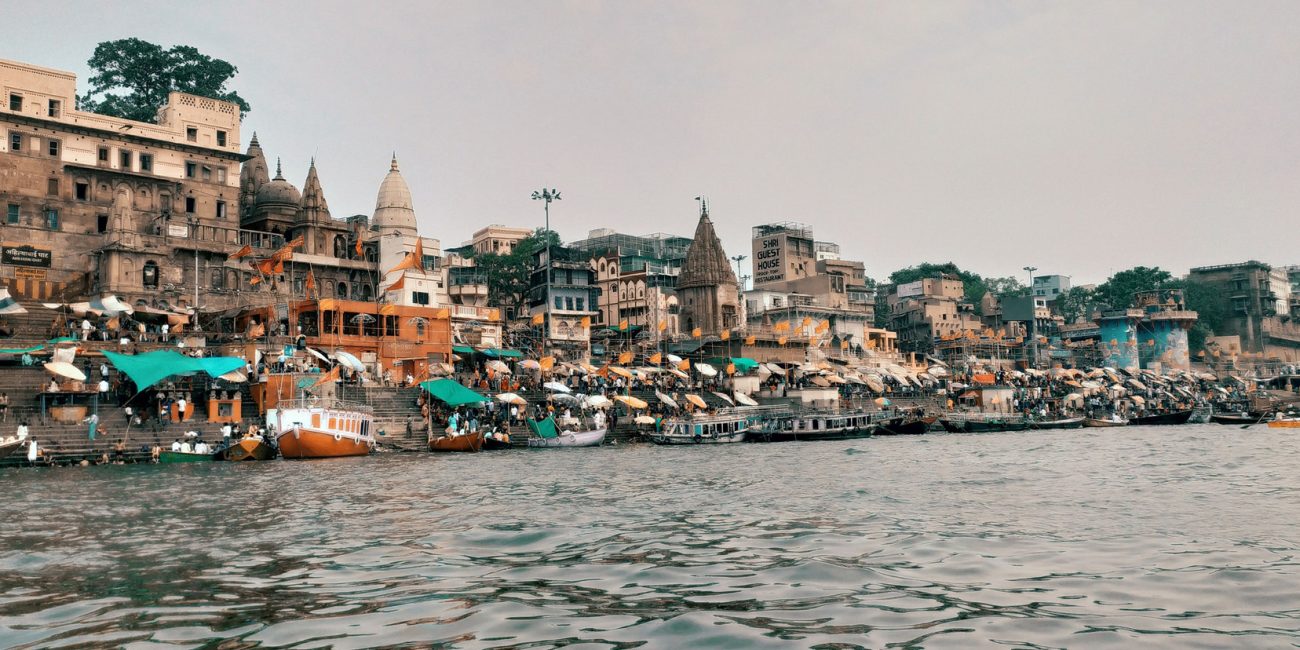
The monsoon season in Varanasi generally lasts from late June to September, with July and August receiving the highest rainfall. Temperatures usually remain warm, while increased humidity is common throughout the season.
Rainfall can vary considerably from one day to another. Some days experience short but heavy showers, while others may remain cloudy with occasional rainfall. Continuous rain can sometimes lead to waterlogging in certain parts of the city.
One of the biggest changes visitors notice when exploring Varanasi in Monsoon is the rising water level of the Ganges. Depending on rainfall across the region, some lower sections of the ghats may become submerged.
Travellers should check local weather conditions before planning outdoor activities, particularly boat rides and long walks along the river.
Despite these challenges, the rainfall creates a refreshing atmosphere. The temples, trees, old buildings, and historic neighbourhoods often look especially beautiful after a monsoon shower.
Why Visit Varanasi During Monsoon?
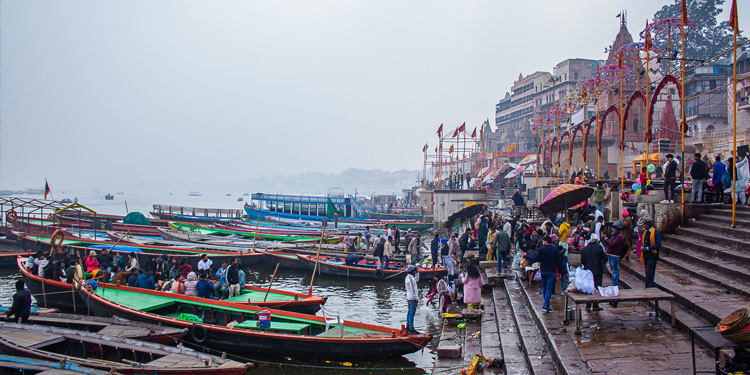
Most travellers consider winter the Best Season to visit Varanasi, but the monsoon months offer several experiences that are difficult to find during peak tourist season.
The city generally receives fewer tourists compared to winter. This means visitors may experience quieter temples, less crowded attractions, and a more relaxed atmosphere.
The rain also transforms the visual character of the city. Wet stone lanes, cloudy skies over the Ganges, reflections on historic buildings, and lush greenery create excellent opportunities for photographers and travellers who enjoy observing everyday life.
Another advantage of visiting Varanasi in Monsoon is the slower pace of travel. Instead of rushing from one attraction to another, visitors can spend more time exploring cafés, temples, museums, cultural spaces, and local neighbourhoods.
For travellers interested in meaningful and immersive experiences, the rainy season offers a unique perspective on the city.
Best Things to Do in Varanasi in Monsoon
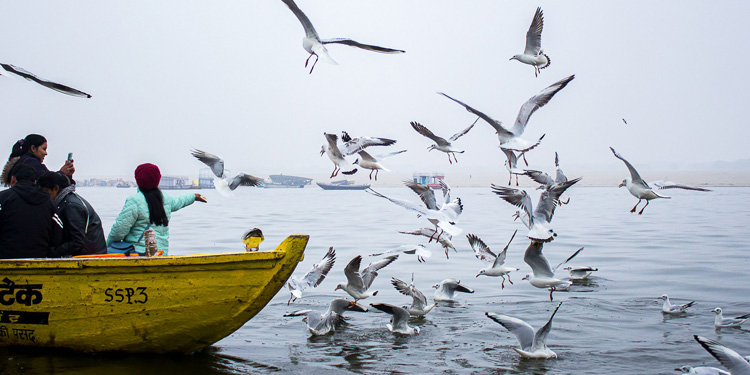
There are plenty of interesting Things to Do in Varanasi during the rainy season. However, travellers should keep their plans flexible because weather conditions can change quickly.
Start your mornings by visiting temples and cultural attractions before heavy rainfall begins. Spend afternoons discovering local food, exploring museums, shopping for Banarasi textiles, or relaxing at your accommodation.
Evenings can be reserved for cultural experiences, local restaurants, and visits to the ghats when weather conditions permit.
Exploring Varanasi in Monsoon is less about following a strict sightseeing schedule and more about experiencing the rhythm of the city.
Experience the Ghats During the Rainy Season
The ghats are among the most important attractions in Varanasi. During monsoon, they offer visitors a completely different experience.
Cloudy skies, the rising river, fewer tourists, and the sound of rainfall create a dramatic atmosphere along the Ganges. Walking around the ghats after light rainfall can be particularly memorable.
However, travellers must exercise caution. Stone steps can become slippery, and some lower sections of the ghats may be inaccessible when water levels rise.
Popular ghats such as Assi Ghat, Dashashwamedh Ghat, Man Mandir Ghat, and nearby riverfront areas can still be explored depending on local conditions.
Visitors exploring Varanasi in Monsoon should always follow local safety instructions and avoid approaching restricted areas near the river.
Take a Monsoon Boat Ride on the Ganges
A boat ride on the Ganges is one of the most memorable experiences in Varanasi. Watching the city from the river provides a completely different perspective of the ghats, temples, and historic buildings.
During the monsoon season, however, boat services depend heavily on weather conditions and the water level of the river.
When authorities permit boat operations, an early morning ride can offer beautiful views of the city under cloudy skies. The atmosphere is often quieter compared to the busy winter months.
Travellers should always book boat rides through reliable operators and follow safety guidelines. Avoid boat rides during heavy rainfall, thunderstorms, or periods when local authorities have restricted river activities.
Experiencing the river can be one of the highlights of visiting Varanasi in Monsoon, but safety should always remain the priority.
Explore Varanasi’s Temples During Monsoon
Temples are an important part of the cultural and spiritual identity of Varanasi. The rainy season can be an excellent time to explore them because many temple visits are less dependent on outdoor weather conditions.
Kashi Vishwanath Temple remains one of the most important pilgrimage destinations in the city. Visitors can also explore Sankat Mochan Hanuman Temple, Kaal Bhairav Temple, Durga Kund Temple, Bharat Mata Temple, and several smaller temples located throughout the city.
Rainy mornings often create a peaceful atmosphere around temple complexes and surrounding neighbourhoods.
When planning your temple visits, carry lightweight rain protection and wear comfortable footwear suitable for wet streets.
Temple exploration remains one of the most meaningful Things to Do in Varanasi, regardless of the season.
Best Places to Visit in Varanasi During Monsoon
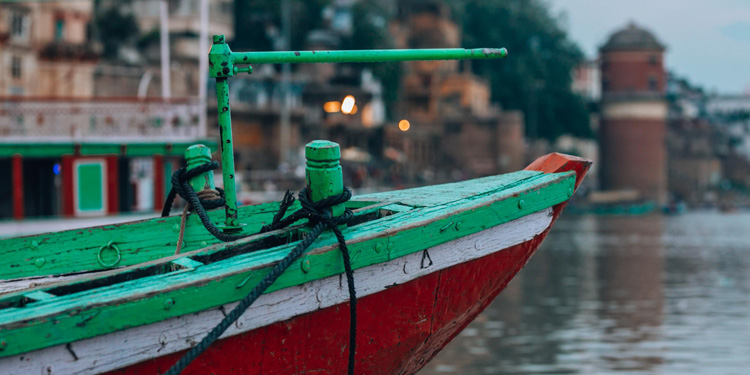
There are several attractions that travellers can comfortably explore during the rainy season.
Sarnath is one of the most popular destinations near Varanasi. Known for its connection with the life and teachings of Gautama Buddha, the area includes archaeological sites, monasteries, museums, and peaceful gardens.
Ramnagar Fort is another interesting destination for travellers interested in history and architecture. The historic fort stands across the Ganges and offers visitors a glimpse into the royal heritage of the region.
Visitors can also explore Banaras Hindu University, Bharat Kala Bhavan, local markets, traditional weaving neighbourhoods, and cultural centres.
Exploring these destinations allows travellers to experience different aspects of Varanasi Tourism beyond temples and ghats.
What to Eat in Varanasi During the Rainy Season
Food is an essential part of any trip to Varanasi. Rainy days are perfect for exploring the city’s traditional snacks, cafés, restaurants, and local eateries.
Start your morning with hot kachori sabzi and jalebi. During the afternoon, try local favourites such as tamatar chaat, samosa, baati chokha, and seasonal snacks.
A cup of hot tea tastes especially comforting during a rainy evening in the city.
Visitors can also explore traditional sweets and desserts, including rabri, launglata, and other local delicacies.
While enjoying street food during the monsoon in Varanasi, choose busy and hygienic food stalls where ingredients are freshly prepared. Avoid food that has been left exposed to rainwater or humid conditions for extended periods.
What to Pack for a Monsoon Trip to Varanasi
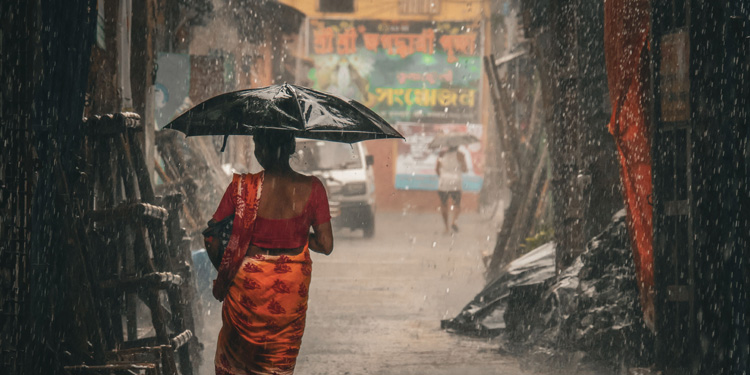
Packing correctly can make your rainy season trip significantly more comfortable.
Carry a lightweight umbrella or compact raincoat that can easily fit inside your day bag. Quick-drying clothes are useful because humidity can make heavy fabrics uncomfortable.
Choose footwear with good grip because the stone steps near the ghats and narrow streets can become slippery after rainfall.
Waterproof bags or protective covers for phones, cameras, documents, and electronic devices are also recommended.
Carry mosquito repellent, basic medicines, reusable water bottles, and a small towel.
Travellers visiting Varanasi in Monsoon should pack light and prioritize clothing and accessories suitable for changing weather conditions.
Essential Travel Tips for Visiting Varanasi in Monsoon
Travelling during the rainy season requires slightly more flexibility than visiting during the dry months.
Check the weather forecast every morning before planning outdoor activities. Heavy rainfall can occasionally affect transportation and accessibility to certain attractions.
Avoid walking through flooded streets whenever possible. Waterlogging can hide potholes and uneven surfaces.
Keep additional travel time when moving between attractions because traffic may become slower during heavy rainfall.
Book reliable transportation for longer distances and confirm whether river activities are operating before travelling to the ghats.
Keep your sightseeing schedule flexible. If heavy rainfall interrupts your plans, explore cafés, restaurants, museums, temples, markets, and indoor cultural attractions instead.
Understanding these practical considerations can make exploring Varanasi in Monsoon safer and more enjoyable.
Where to Stay in Varanasi During Monsoon
Choosing the right accommodation becomes particularly important during the rainy season. Visitors should consider accessibility, transportation options, comfortable indoor spaces, and proximity to major attractions.
Travellers searching for where to stay in Varanasi should choose accommodation that allows them to relax comfortably when heavy rainfall interrupts sightseeing plans.
A thoughtfully designed boutique stay can offer travellers peaceful spaces to read, work, enjoy meals, or simply experience the slower rhythm of the city.
Stay Banaras offers travellers a comfortable base for exploring the city while experiencing local culture, hospitality, and thoughtfully designed spaces.
Its peaceful environment provides visitors with an opportunity to unwind after navigating the busy streets, temples, markets, and attractions of Varanasi.
For travellers exploring Varanasi in Monsoon, choosing accommodation that feels like part of the travel experience can make rainy days equally memorable.
Is Monsoon a Good Time to Visit Varanasi?
The answer depends on the type of travel experience you prefer.
If you want pleasant temperatures, busy festivals, and long days of sightseeing, winter is generally considered the Best Season to visit Varanasi.
However, travellers who enjoy fewer crowds, dramatic landscapes, slower travel, cultural exploration, and the atmosphere of rainy cities may find the monsoon season especially interesting.
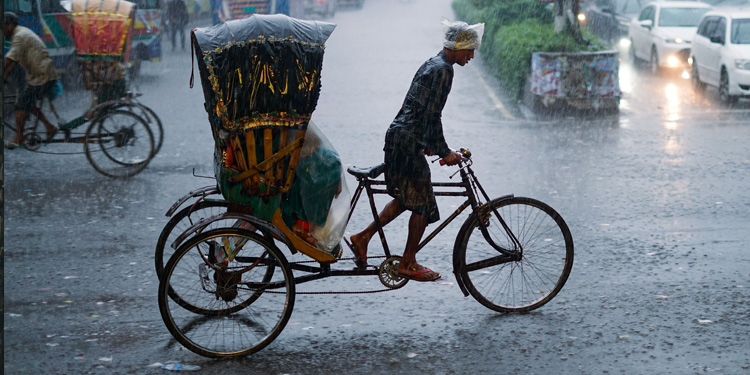
Visiting Varanasi in Monsoon requires flexibility. Boat rides may be restricted, some sections of the ghats may become inaccessible, and heavy rainfall can occasionally affect travel plans.
At the same time, visitors can experience peaceful mornings, quieter attractions, local food, historic neighbourhoods, cultural spaces, and a side of Varanasi that many tourists never discover.
The rainy season also provides travellers with opportunities to spend more time observing everyday life in the city rather than simply moving between tourist attractions.
For those willing to adjust their itinerary according to the weather, the monsoon can offer a rewarding travel experience.
Frequently Asked Questions About Varanasi in Monsoon
1. Is monsoon a good time to visit Varanasi?
Yes, visiting Varanasi in Monsoon can be a memorable experience for travellers who enjoy fewer crowds, cloudy weather, lush surroundings, and a slower pace of travel. However, visitors should keep their itinerary flexible because heavy rainfall and rising water levels may occasionally affect sightseeing and river activities.
2. Which months are considered the monsoon season in Varanasi?
The monsoon season in Varanasi generally begins in late June and continues until September. July and August usually receive the highest rainfall. Travellers planning to explore Varanasi in Monsoon should check weather forecasts regularly and prepare for occasional heavy showers.
3. Are boat rides available in Varanasi during monsoon?
Boat rides depend on the weather conditions and water levels of the Ganges. During periods of heavy rainfall or rising river levels, local authorities may temporarily restrict boat operations for safety reasons. Visitors should confirm the availability of boat rides before making plans.
4. What are the best things to do in Varanasi during monsoon?
Some of the best Things to do in Varanasi during monsoon include visiting temples, exploring Sarnath, discovering museums and cultural attractions, enjoying Banarasi cuisine, shopping for traditional handicrafts, visiting local cafés, and exploring the ghats when weather conditions are safe.
5. What should I pack for a monsoon trip to Varanasi?
Travellers should carry a lightweight raincoat or umbrella, quick-drying clothes, comfortable footwear with good grip, waterproof covers for electronic devices, mosquito repellent, basic medicines, and a small day bag. Packing light can make exploring the city during rainy weather more convenient.
6. Do the ghats remain accessible during monsoon?
The accessibility of the ghats depends on rainfall and the water level of the Ganges. Some lower sections of the ghats may become submerged during periods of high water. Travellers visiting Varanasi in Monsoon should follow local safety instructions and avoid restricted areas near the river.
7. Where should I stay in Varanasi during the rainy season?
Travellers searching for where to stay in Varanasi during monsoon should choose accommodation with convenient transportation access, comfortable indoor spaces, and easy connectivity to major attractions. Stay Banaras offers travellers a peaceful base for exploring the city while enjoying thoughtfully designed spaces and local hospitality.
8. Is Varanasi crowded during the monsoon season?
Varanasi generally receives fewer leisure tourists during the monsoon months compared to the peak winter season. This can make temples, markets, cultural attractions, and neighbourhoods feel less crowded. However, major religious occasions and festivals can still attract large numbers of pilgrims.
9. Is it safe to visit Varanasi during heavy rainfall?
Travelling during moderate rainfall is generally manageable with proper planning. Visitors should avoid flooded streets, slippery sections of the ghats, and river activities during unsafe weather conditions. Checking local weather updates and following instructions from local authorities can help travellers explore the city safely.
10. How many days are enough to explore Varanasi during monsoon?
A three-day trip is usually sufficient to experience the major temples, ghats, local food, markets, and cultural attractions. Travellers exploring Varanasi in Monsoon may consider adding an extra day to their itinerary because rainfall can occasionally delay sightseeing plans.
Plan Your Monsoon Stay at Stay Banaras
Every season reveals a different side of Varanasi. The rainy months bring cloudy skies, fresh greenery, quieter streets, and a slower rhythm to one of the world’s oldest living cities.
Exploring Varanasi in Monsoon allows travellers to experience temples, local cuisine, cultural attractions, markets, and historic neighbourhoods while discovering the city beyond the busiest tourist season.
The growing interest in experiential travel has also changed how visitors approach Varanasi Tourism. Travellers increasingly want comfortable stays that help them connect with local culture, neighbourhoods, food, and everyday life.
Stay Banaras offers a peaceful and thoughtfully designed place to return to after exploring the city. Whether you spend the day visiting temples, discovering local food, walking through historic neighbourhoods, or simply watching the rain transform the city, your accommodation can become an important part of the journey.
If you are still deciding Where to Stay in Varanasi, choose a place that gives you both comfort and an opportunity to experience the character of the city.
Plan your rainy season journey, keep your itinerary flexible, and discover the unique atmosphere of Varanasi in Monsoon with Stay Banaras.